Answering 24/7 from the West Village and Central Islip
Water, fire and mold damage restoration in New York, NY
Water coming through the ceiling at two in the morning? We answer around the clock, find where the water went, dry the building and put the rooms back together.
- Answering 24/7
- West Village service office
- Water, fire, mold and storm
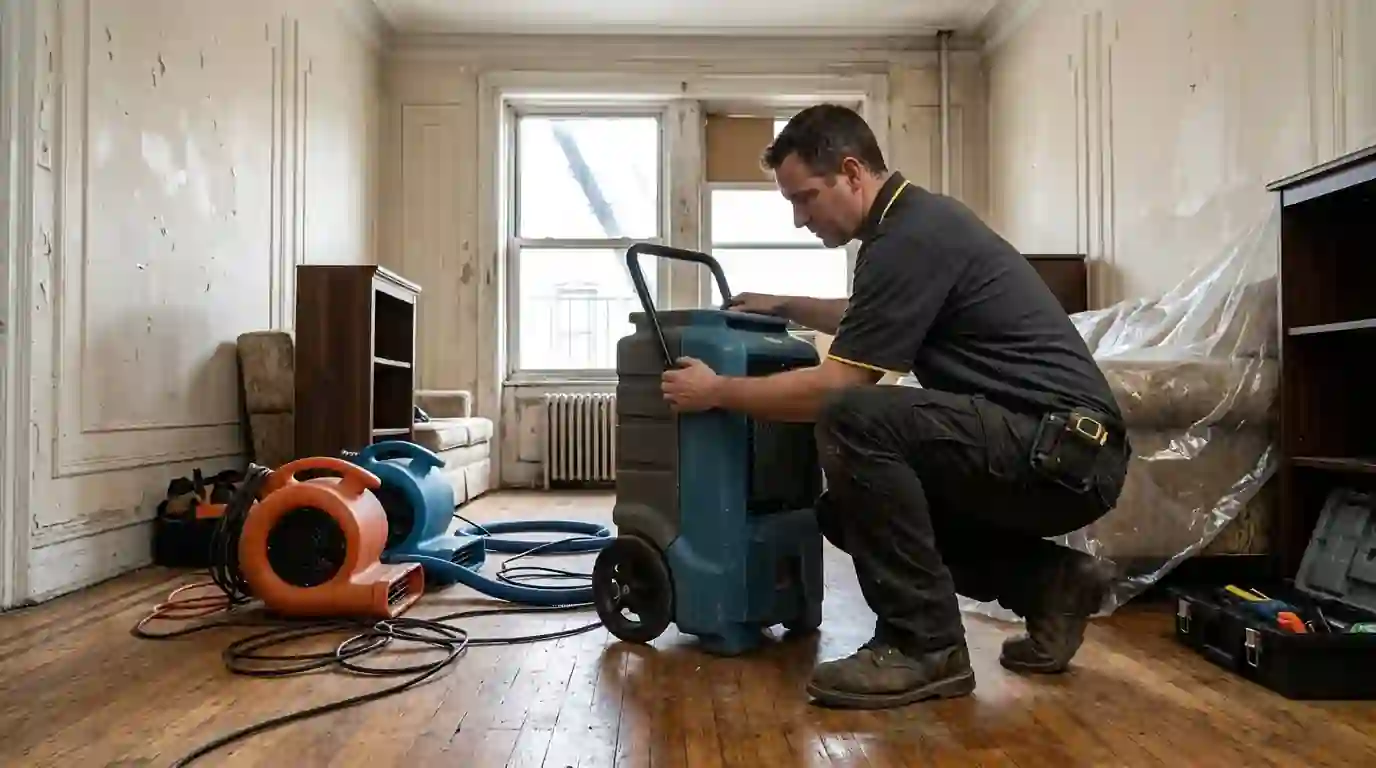
A lot of indoor water starts at an appliance or a fixture. We clean up after failed Whirlpool and Samsung washer hoses, leaking Bradford White and Rheem water heaters, Bosch dishwasher lines and Moen or Kohler supply lines.
- Whirlpool
- Samsung
- LG
- Bosch
- GE Appliances
- Frigidaire
- Maytag
- Miele
- Sub-Zero
- Rheem
- Bradford White
- A. O. Smith
- Kohler
- Moen
Quick answer
Water damage in a New York, NY apartment can start growing mold within 24 to 48 hours, so the first job is stopping the source and getting standing water out. We answer 24/7, extract, set dehumidifiers and air movers, and take moisture readings every day until the walls, floors and ceilings test dry.
Before we get there
- Shut the water off at the fixture valve, or ask the super to close the riser if it is coming from above.
- Turn off power to any room where water is near outlets, fixtures or a ceiling light.
- Photograph the damage and the source before anything moves. Your insurer will ask for it.
- Lift rugs, electronics and paper off wet floors, and set foil under furniture legs.
- Stay out from under a sagging ceiling, and don't run a household vacuum on standing water.
Restoration services, grouped by what went wrong
Start with the problem in front of you. Each page explains the work, what it usually costs and what we need from you.
Water damage and leaks
Clean-water losses that start inside the building: pipes, appliances, fixtures and steam heat.
- Water Damage RestorationExtraction, drying and repairs after any indoor water loss, logged room by room.
- Emergency Water RemovalTruck-mounted and portable extraction for standing water on any floor.
- Structural DryingDehumidifiers, air movers and daily readings until the structure is dry.
- Ceiling Leak Water DamageCeilings, walls and floors soaked by a leak from the unit or roof above.
- Burst Pipe Water DamageFrozen, split and failed supply lines, and the walls they soaked.
- Appliance Leak CleanupWasher hoses, dishwasher and fridge lines, water heaters and AC overflows.
- Shower Leak Damage RepairSlow leaks from pans, grout and drains that rot subfloors and stain ceilings.
- Radiator Leak Water DamageSpitting air valves, leaking radiator valves and steam risers between floors.
- Leak DetectionThermal imaging and moisture mapping to find where the water actually went.
Flood, sewage and storm
Water that arrives from outside or from the sewer, plus the emergency covers that keep more out.
- Basement Flood CleanupPump-out, tear-out and drying for basements that took on water.
- Flood Damage RestorationFloodwater from storms and surge, handled as contaminated water from the start.
- Sewage Backup CleanupCategory 3 cleanup for rain-driven backups, main line clogs and floor drains.
- Toilet Overflow CleanupBathroom and unit-below cleanup after a toilet overflows.
- Storm Damage RestorationWind-driven rain, fallen limbs and ice dam leaks, dried and repaired.
- Emergency Roof TarpingTarps and temporary covers on pitched, flat and parapet roofs.
- Emergency Board-UpPlywood over broken windows, doors and storefronts after fire or impact.
- Crawl Space Water DamageWet crawl spaces pumped, dried and cleared of wet insulation under Long Island houses.
Fire and smoke
Fire, soot and the oily residue an oil burner leaves when it misfires.
Mold and odor
The growth and the smells that follow water and smoke if the drying is not finished.
Floors, contents and rebuilding
What gets saved, what gets replaced, and how the rooms go back together.
- Hardwood Floor Water DamageCupped strip, plank and parquet floors dried in place or replaced.
- Wet Carpet CleanupWet carpet dried in place, pad replaced, or contaminated carpet removed.
- Contents Pack-OutBelongings inventoried, packed out, cleaned and returned after a loss.
- Drywall and Plaster RepairPrewar plaster, lath, moldings and drywall rebuilt after water damage.
- Water & Fire Damage ReconstructionKitchens, baths and basements rebuilt once the structure is dry.
- Insurance Claim DocumentationPhotos, moisture logs and removal lists your adjuster can work from.
Buildings and businesses
Multi-unit, commercial and sprinkler losses where more than one party is involved.
- Co-op and Condo Water DamageMulti-unit leaks, riser failures and common areas, coordinated with management.
- Commercial RestorationWater and fire recovery for offices, stores, restaurants and warehouses.
- Fire Sprinkler Water DamageFrozen lines, accidental discharges and standpipe leaks cleaned up and dried.
Signs water or smoke is still in the building
Most of the damage we open up was visible weeks earlier. These are the signs people tend to live with.
A stain that keeps growing
A ceiling stain that spreads after the leak was fixed means water is still sitting in the plaster or the floor above.
A musty smell that comes back
Musty air after cleaning usually points to wet material behind a wall, under flooring or at the back of a closet.
Cupped or lifting floorboards
Strip and plank floors cup when the underside stays wetter than the top. The subfloor is holding water.
Bubbling paint or soft plaster
Paint that blisters or plaster that gives under a thumb has taken on water and is losing its bond.
Radiator valves that spit or drip
A spitting air vent or a dripping valve puts water on the floor every heating cycle, and it adds up under the finish.
Gurgling floor drains in heavy rain
A basement drain that gurgles or backs up during a storm is a sewer backup warning, not a plumbing quirk.
Soot lines or a smell that lingers
Dark lines at ceiling edges, outlets and vents after a nearby fire mean soot has moved through the building.
Why buildings here take on water the way they do
Most of the city lives in older buildings. Plaster on lath, cast iron drains and steam radiators behave differently from drywall and PEX, and they dry more slowly. A leak two floors up can travel along a joist and surface in the hallway of the apartment below.
Rain is the other half. Much of the city drains stormwater and sewage through the same pipes, so a cloudburst can push water back up through basement fixtures. On Long Island the storms are just as heavy, and many houses still heat with oil, which is where puffback soot comes from.
What happens after you call
The order matters more than the equipment. This is how a water job runs from the first minute.
We answer and ask the right questions
Where is the water or smoke, how long has it been there, and is the source stopped? That tells us what to bring.
We find where the water went
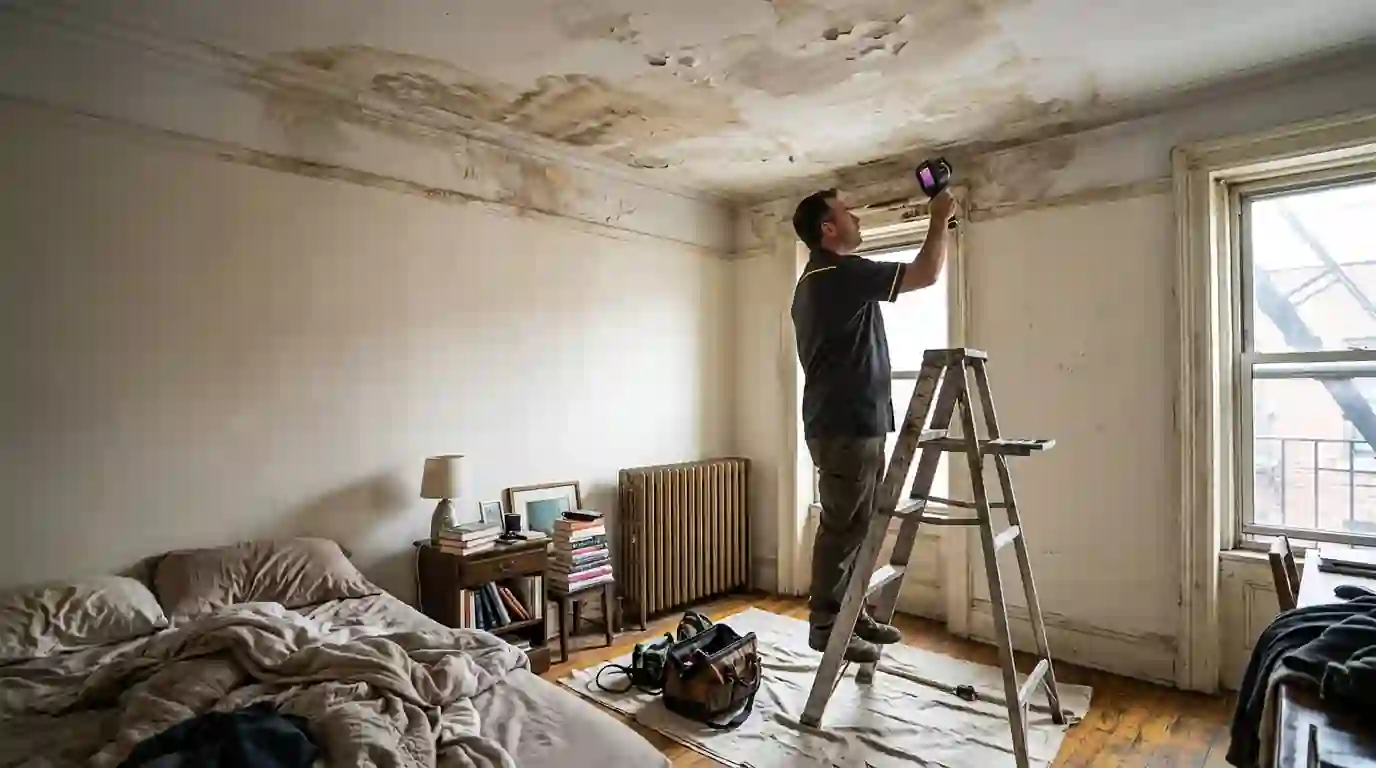
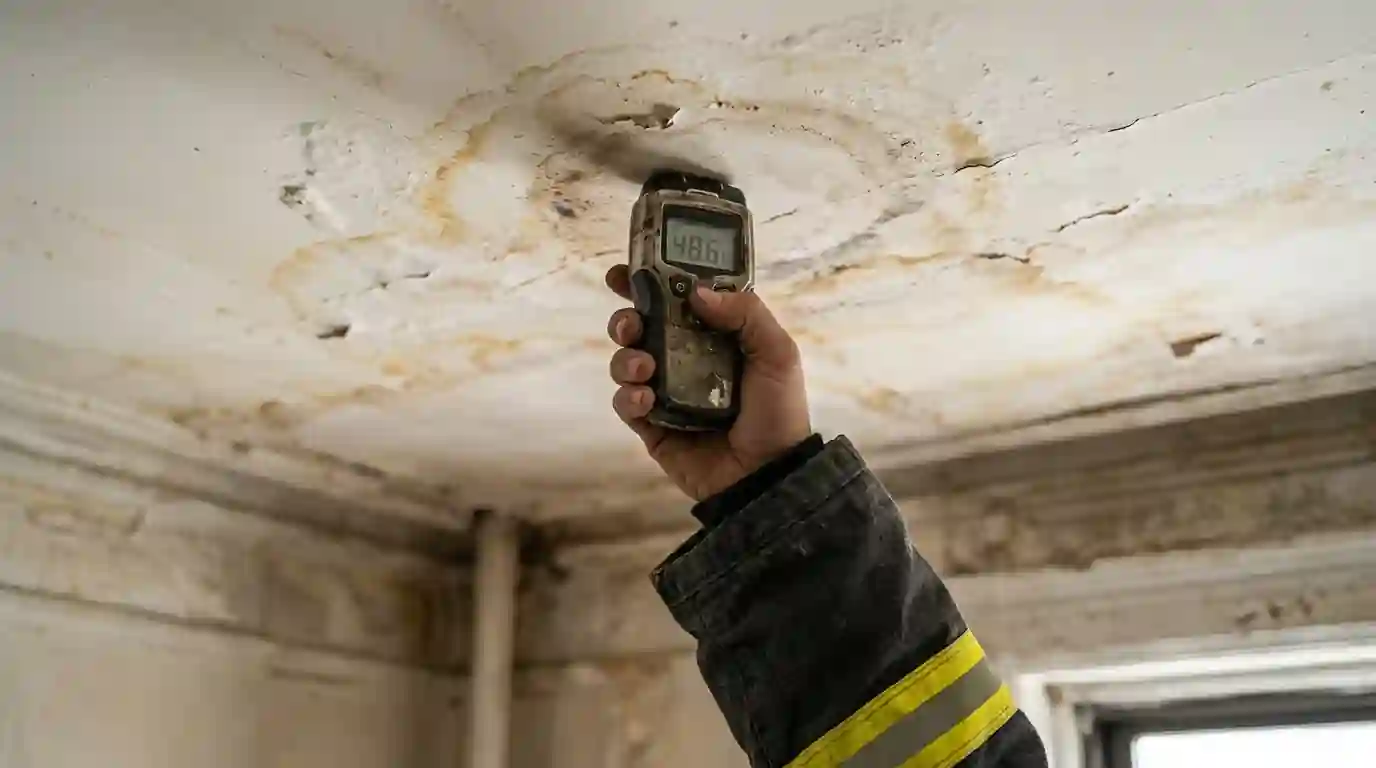
Moisture meters and thermal imaging show how far it spread into walls, floors and the unit below before anything is opened.
We extract and set drying equipment
Standing water comes out first. Then dehumidifiers and air movers go in, sized to the rooms and the materials.
We measure every day
Daily readings go into a drying log with photos, so you and your adjuster can watch the building dry.
We rebuild what cannot be saved
Once the readings say dry, we replace drywall, plaster, flooring and trim, and hand the rooms back.
Where we work from the West Village office
Manhattan is home base. The same phone number covers the other boroughs, Long Island and the towns just north of the city.
Manhattan
Co-ops, condos and brownstones from Greenwich Village, a few minutes from the office, through Chelsea, Hell's Kitchen, Gramercy Park and Murray Hill to the Upper East Side, Harlem and Washington Heights.
The other four boroughs
Row houses and brownstones in Brooklyn and the bungalows of Marine Park & Gerritsen Beach, basement apartments and family homes in Queens, Bayside and Whitestone, prewar walk-ups in The Bronx and the waterfront of Throgs Neck, and newer frame houses on Staten Island and the South Shore Staten Island.
Long Island
Postwar houses with full basements and oil heat across Nassau County, from Hempstead, North Hempstead and Oyster Bay to Huntington, Babylon, Smithtown, Islip and Brookhaven in Suffolk County, where the head office sits in Central Islip.
North of the city
River and flash flooding in Westchester County, from the Sound Shore in New Rochelle to the Bronx River in White Plains, and deep basement pump-outs in Yonkers.
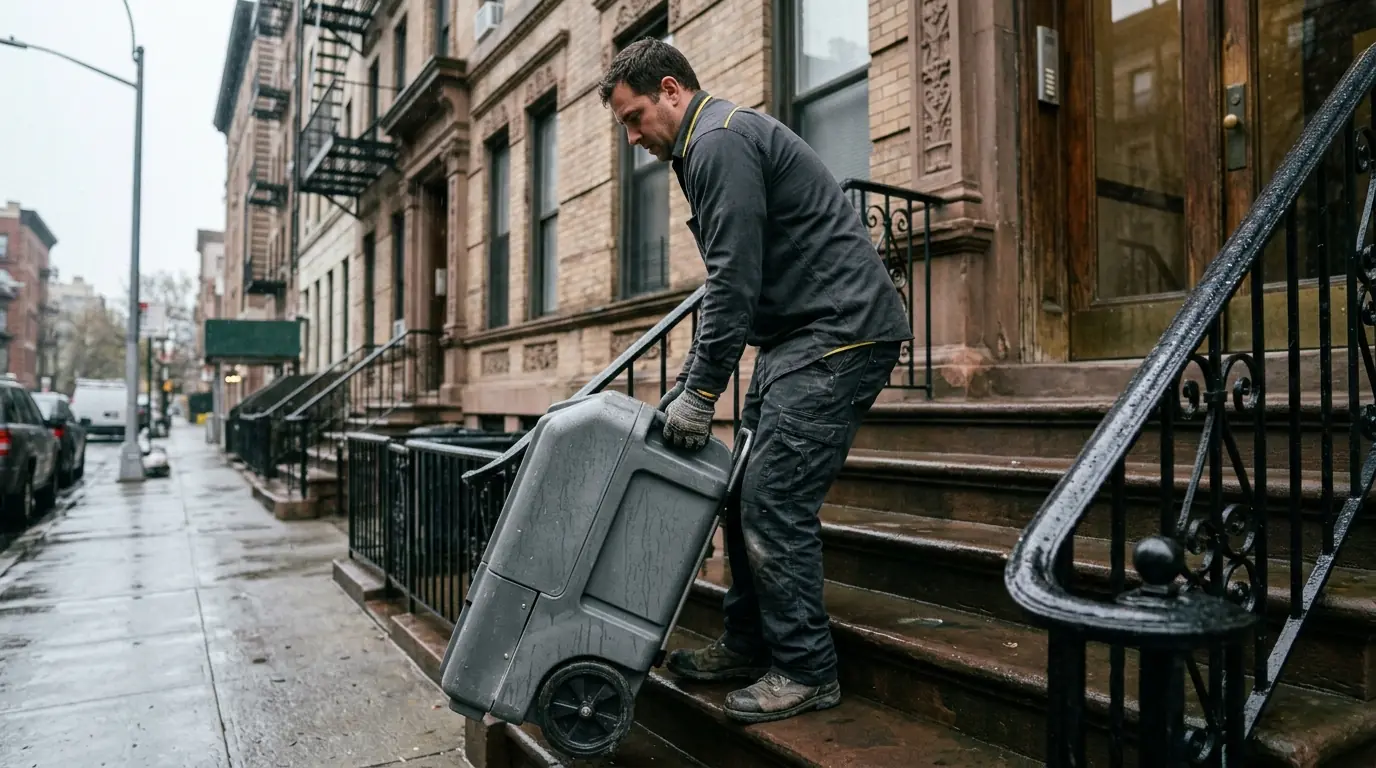
On a wet morning the first thing up the stoop is the dehumidifier. The paperwork comes after the water is out.Most water calls in the city start with a leak from above or a backup from below.
How a job runs with us
One drying log from start to finish
Readings, photos and equipment counts for each day, in a form your adjuster and your managing agent can both read.
We work with the building
Supers, managing agents and boards need access, schedules and a clear scope. We plan around them rather than through them.
Walls open only where readings say
Thermal imaging and meters come before demolition, so plaster and tile stay put unless they have to go.
Drying and rebuilding by one company
The people who dry the building also put the rooms back together, so nothing gets lost between two contractors.
Learning center
Plain answers to the questions people ask us on the phone.
Water Damage in Your Apartment: What to Do in the First Hour
The first hour decides how much has to come out. Here is what to do before anyone arrives.
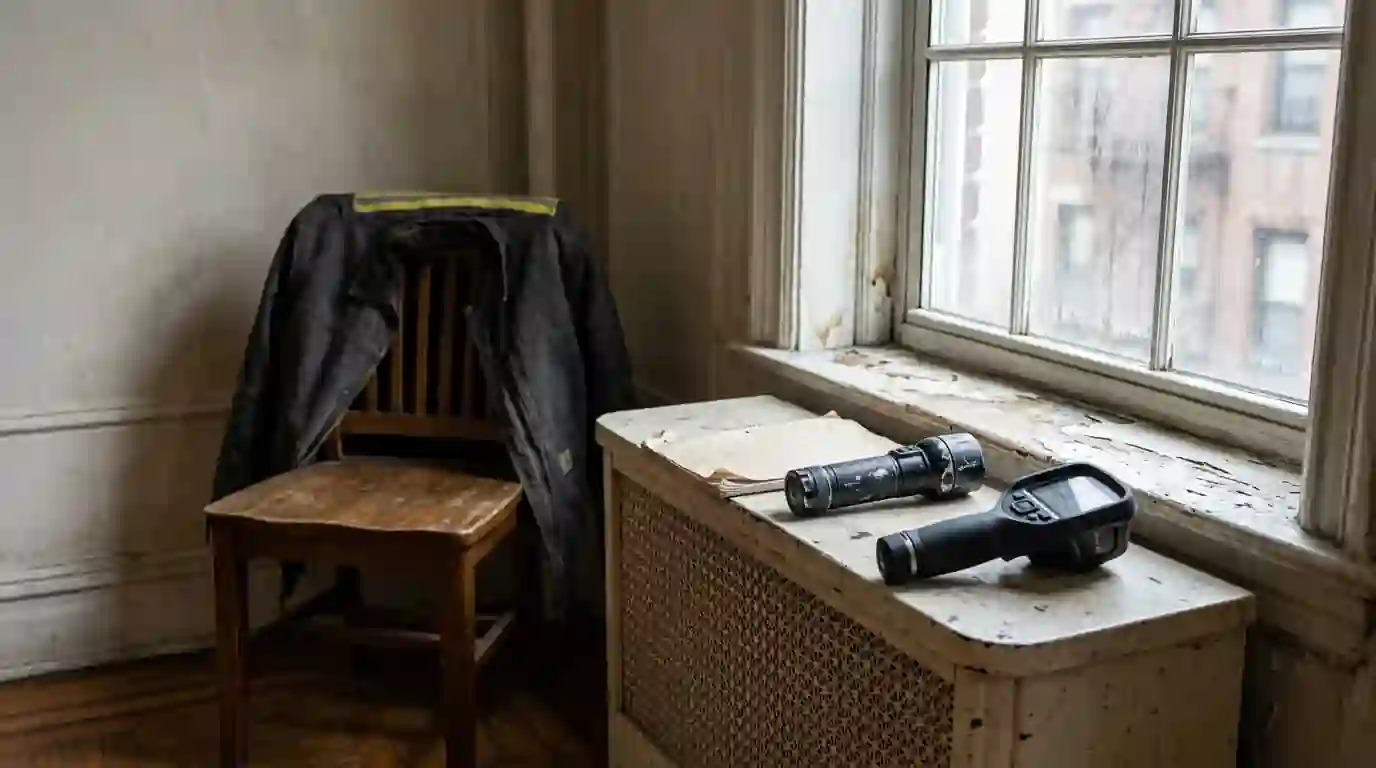
Leak From the Apartment Upstairs in NYC: Who Handles What
Whose insurance pays, who calls the super, and what to photograph when the water is coming from above.
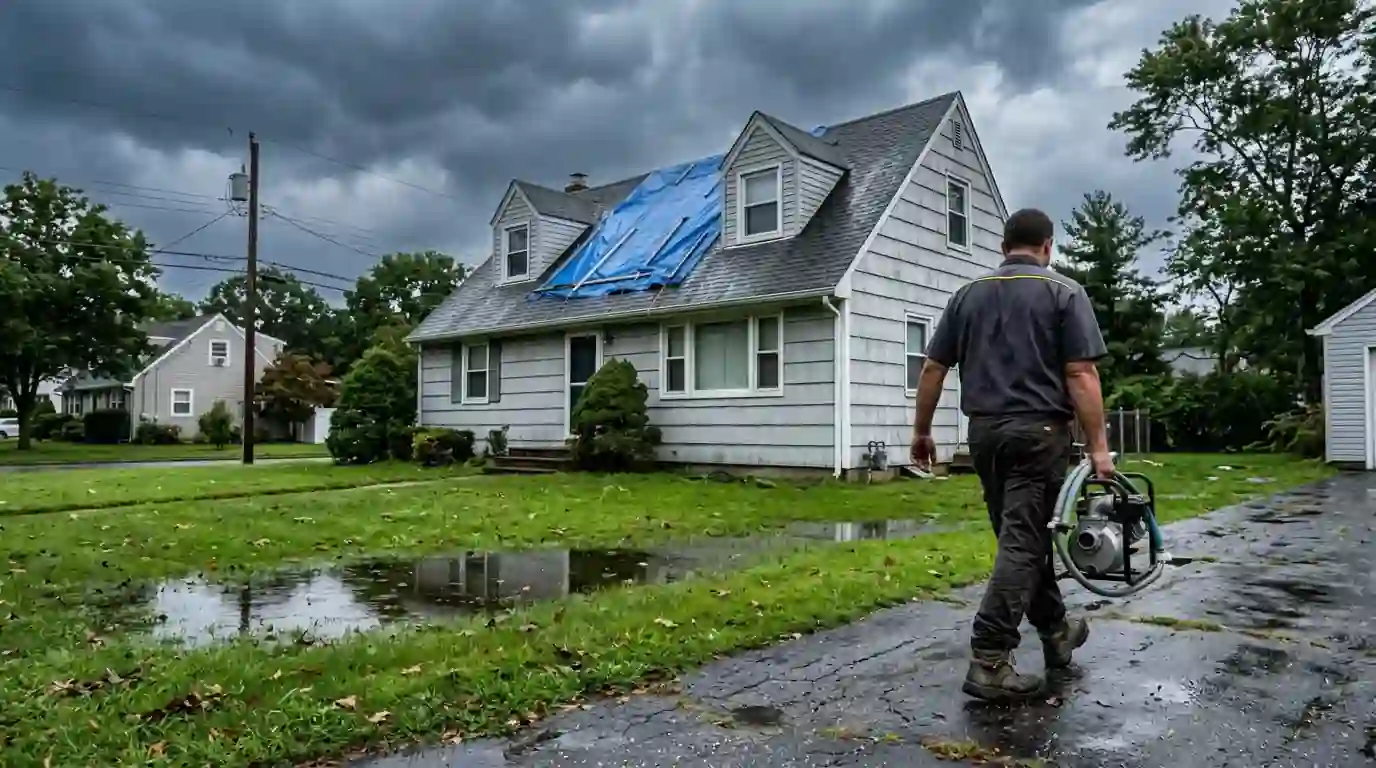
What Water Damage Restoration Costs in New York, NY
Published price ranges, what moves a job up or down, and why prewar plaster costs more to fix.
Questions New Yorkers ask us
Short answers here. For anything specific to your building, call and ask.
Yes. The phone is answered 24 hours a day, every day, and water, fire and sewage calls get a crew as soon as we know what we are walking into.
Stop the water first. Call the super or managing agent so they can reach the unit above or shut the riser, then call us for your unit. We record where the water came from, which both insurers will ask about.
Most homeowners and renters policies cover sudden water from inside the building, like a burst pipe or an overflow. Water from outside usually falls under a separate flood policy. We keep the photos and drying log your adjuster needs either way; the coverage decision is theirs.
It depends on the material and how long it was wet. Drywall and carpet dry faster than prewar plaster, hardwood and masonry. We read the moisture every day and pull equipment when the numbers say dry, not on a set schedule.
Usually not for a clean water leak in one or two rooms. Sewage, heavy smoke or mold containment in living space can mean a few nights elsewhere, and we tell you before work starts.
Yes. We coordinate access, work hours and elevator bookings with the super and the managing agent, and keep separate records for each unit when water crosses from one to another.
Yes. The head office is in Central Islip and the service office is in the West Village, so one number covers Manhattan, the other boroughs, Nassau, Suffolk and Westchester.
Close the room off, don't scrub or dry-brush it, and stop the water source if you can. Larger mold jobs are assessed first and then removed to a written plan, and we explain that order when you call.
Water, smoke or mold in your building right now?
Hands-On Restoration answers this number around the clock. Tell us what you are looking at and we will tell you what to do in the next hour.