Claim paperwork, done as we work
Insurance documentation for water and fire claims in New York, NY
The claim moves on the paperwork. We document every step of the restoration, so your adjuster can see what happened, what was removed and why.
- Answering 24/7
- Daily drying logs
- Room-by-room records
Quick answer
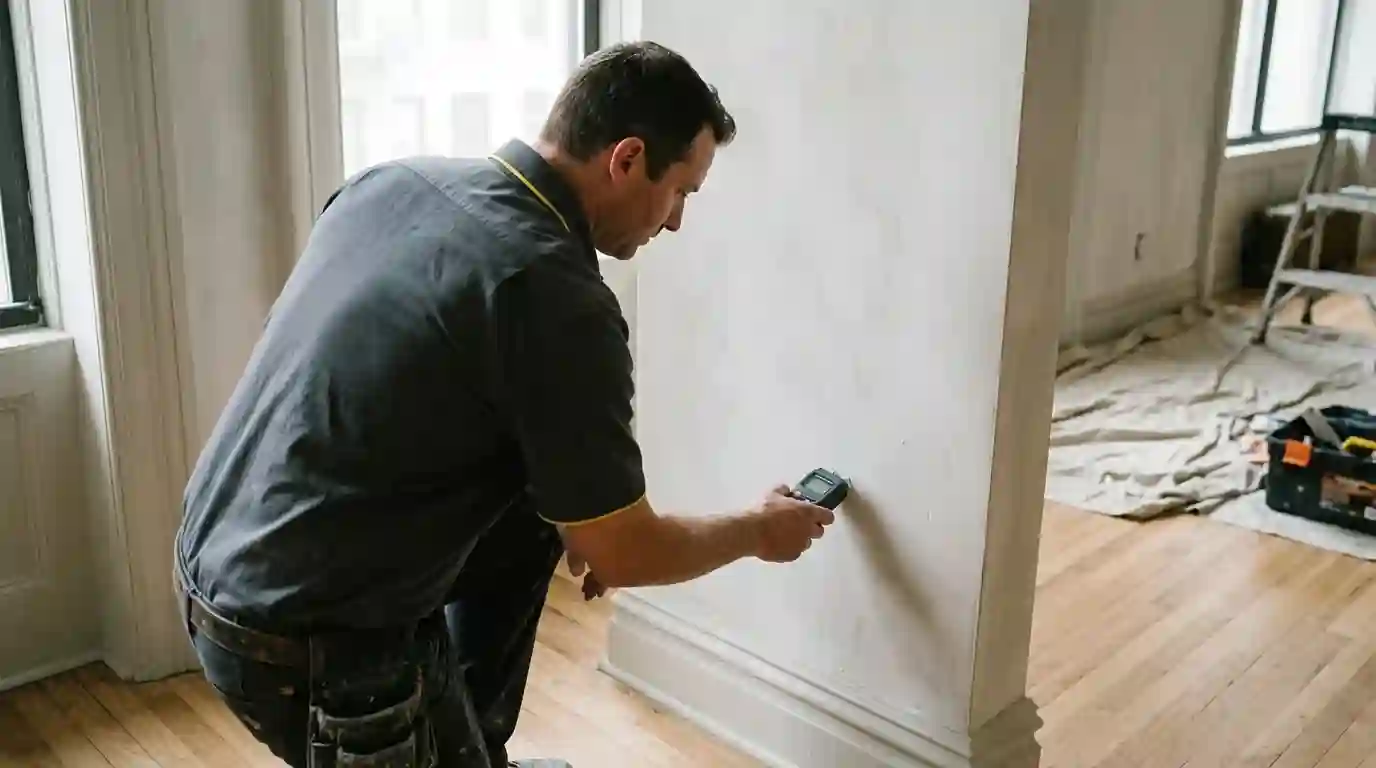
Insurance documentation for a water or fire claim in New York, NY means photos before and after each stage, daily moisture readings, a list of what was removed and why, and a written scope. Adjusters approve work faster when it's measured. We keep that record as we work and share it with your adjuster; coverage decisions stay with your insurer.
Why documentation decides how smoothly a claim goes
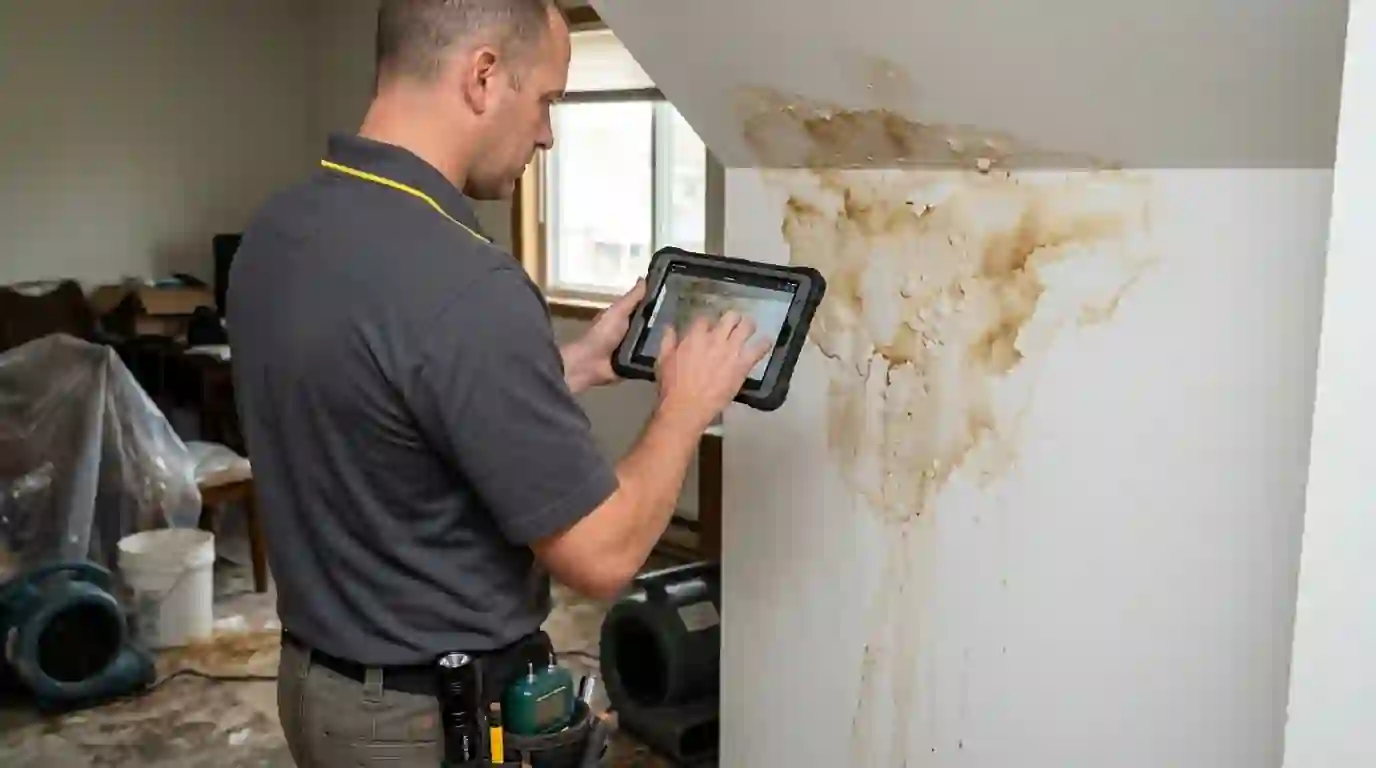
An adjuster usually arrives after the water is out and the equipment is running. What they can see then is only part of the story. Photos from the first visit, readings that show how wet each material was, and a list of what was removed and why fill in the rest.
We build that record as part of the job, not afterward. It doesn't change what your policy covers, and we can't make coverage decisions, but it gives the adjuster what they need to approve the work without repeated back and forth.
What documentation costs
Documentation is part of our restoration work, not a separate charge. These are the things that shape what a claim ends up covering.
Your policy
What's covered is set by your policy and decided by your insurer.
The water source
Inside water, floodwater and sewer backups can fall under different coverage.
Timing
Prompt reporting and quick mitigation are generally expected.
Deductible
Your share of a covered loss comes off the total.
Removed materials
What had to come out, and why, drives the repair scope.
Contents
Documented belongings are easier to claim than remembered ones.
Upgrades
Changes beyond like for like are usually yours to pay for.
A thin record versus a full record
| Thin record | Full record | |
|---|---|---|
| Photos | A few phone photos after cleanup | Every room before, during and after each stage |
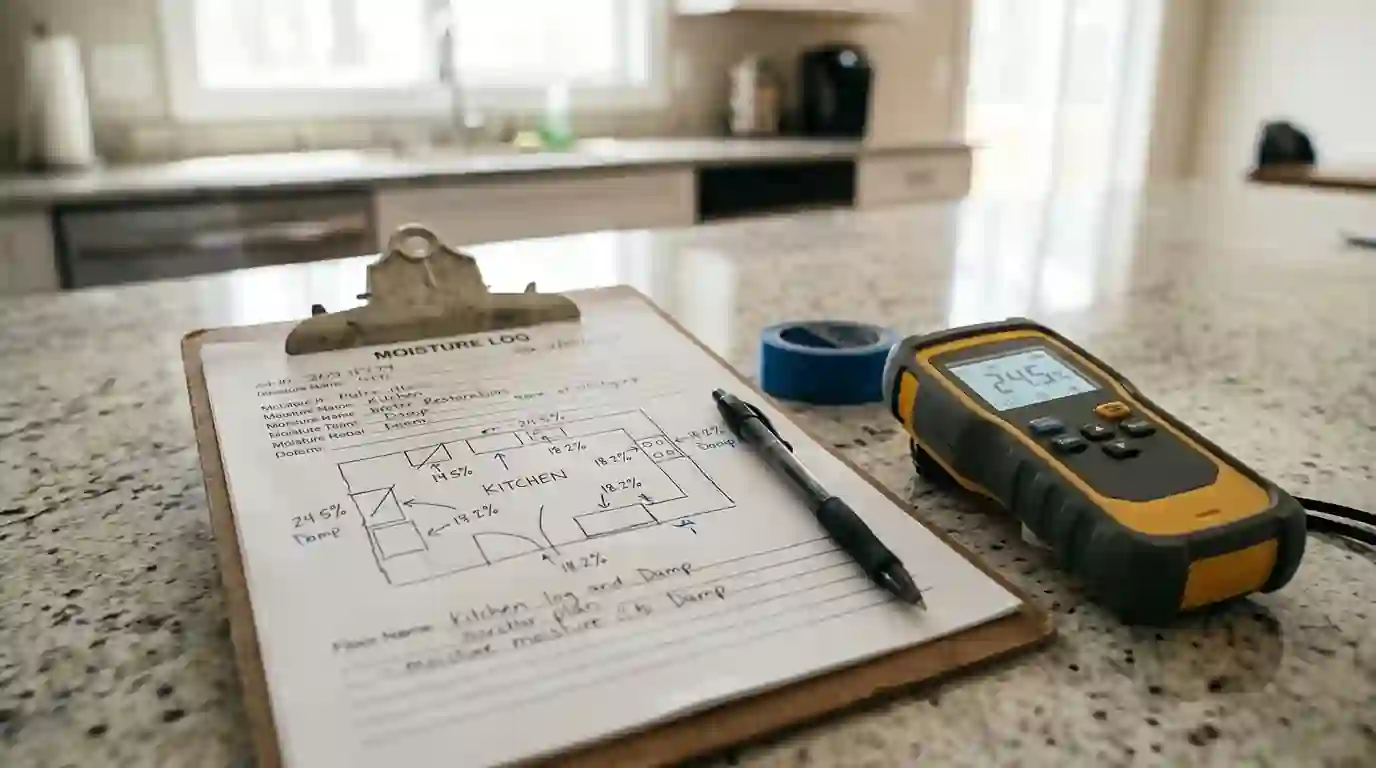
| Moisture | Told it was dry | Daily readings against dry references |
| Removed materials | Not listed | Listed with the reason and a photo |
| Result | Questions, delays and disputes | Faster review of the work done |
What adjusters ask for
Most adjusters want to know where the water came from, when it started, what category it was, how far it spread and whether the drying worked. The drying log answers the last two. The first two come from you, so write down the timeline as early as you can. Our insurance guide explains the flood versus water damage split.
Multi-unit and multi-policy claims
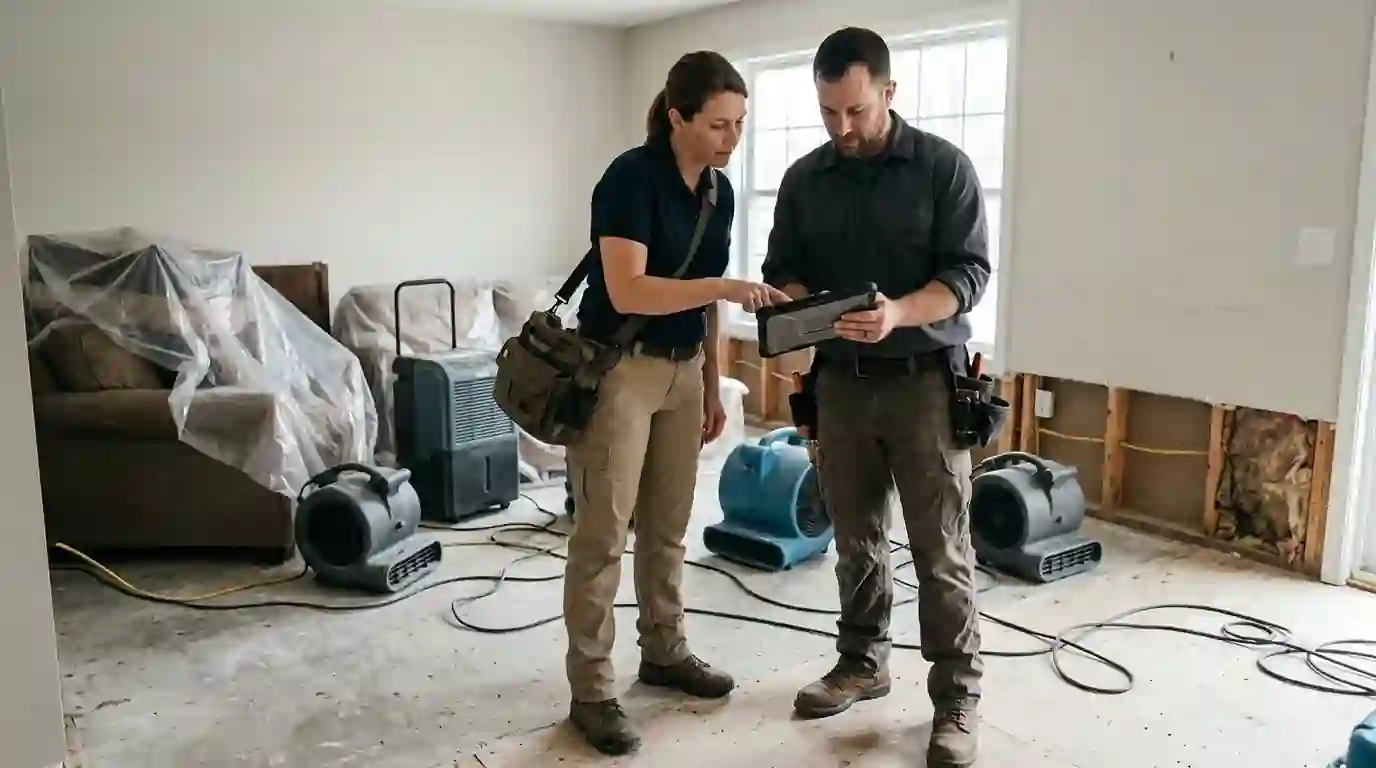
In co-ops, condos and rentals, one leak can involve the building's policy, the owner's and a tenant's. Each needs its own record of its own space. We keep separate photos, readings and removal lists per unit so each insurer sees only what it covers. See co-op and condo restoration.
When the claim is disputed
If an adjuster questions why something was removed, the photos and readings from that day are the answer. We don't argue coverage; we show the measurements. If a second inspection is needed, the record lets anyone see the condition at the time, even after the wall has been rebuilt.
What we document on every job
The file your adjuster will ask for.
- Photos of the source, the damage and each room before work starts
- The water category and the reason it was classed that way
- Moisture readings on day one, with dry reference points
- Daily drying log readings until each point is dry
- A list of removed materials with reasons and photos
- Contents inventory where belongings were damaged or packed out
- A written scope for repairs once drying is complete
Claims after big storms here
After Sandy, New York State bought some 700 heavily damaged homes on Long Island from their owners, and in the city, sewer backups alone produce an average of 12,569 complaints a year. After storms like those, adjusters are stretched thin and reviews take longer. A complete file, with readings and photos from the first day, is what keeps a claim moving when everyone is busy.
How documentation fits into the job
First visit
The source, damage and every affected room are photographed before work starts.
Classify
The water category and its reason are recorded.
Measure
Readings are taken on wet materials and on dry reference points.
Log daily
Readings and photos are added every day until the job is dry.
Scope
A written repair scope follows, tied to what was removed.
Insurance documentation questions
General answers; your insurer decides coverage.
No. Coverage is your insurer's decision. We document what happened and what the work involved.
Yes. We share the photos, logs and scope and answer their questions about the work.
Usually not. You're expected to prevent further damage; photograph everything first.
Ask us about your situation on the call; arrangements depend on your insurer and your agreement with us.
Photos, a timeline, receipts for emergency costs and damaged items until the adjuster says otherwise.
No, it's part of the restoration work.
Related services
Water Damage Restoration
Extraction, drying and repairs after any indoor water loss, logged room by room.
Structural Drying
Dehumidifiers, air movers and daily readings until the structure is dry.
Contents Pack-Out
Belongings inventoried, packed out, cleaned and returned after a loss.
Co-op and Condo Water Damage
Multi-unit leaks, riser failures and common areas, coordinated with management.
Leak Detection
Thermal imaging and moisture mapping to find where the water actually went.
Starting a claim after water or fire damage?
Call and we'll start the record on the first visit. We answer 24/7.
Updated September 2026