Mold removal, done in the right order
Mold removal and remediation in New York, NY homes and buildings
Mold on the wall, in the basement or behind the tile? We contain the area, remove the growth and the material it's rooted in, and fix the moisture so it doesn't come back.
- Answering 24/7
- Containment first
- Moisture source fixed
Quick answer
Mold remediation in a New York, NY home means containing the area, removing moldy material and fixing the moisture behind it, because mold can start growing within 24 to 48 hours of water exposure. Published guides put remediation at about $15 to $30 per square foot. Larger jobs follow a written plan from an independent assessment.
Why mold removal is about moisture first
Mold grows where material stays damp: behind a leaking shower, under a basement carpet, on the back of drywall after a leak that wasn't dried. Killing what you can see without removing the water source just means it grows back. So every job starts with finding and fixing the moisture.
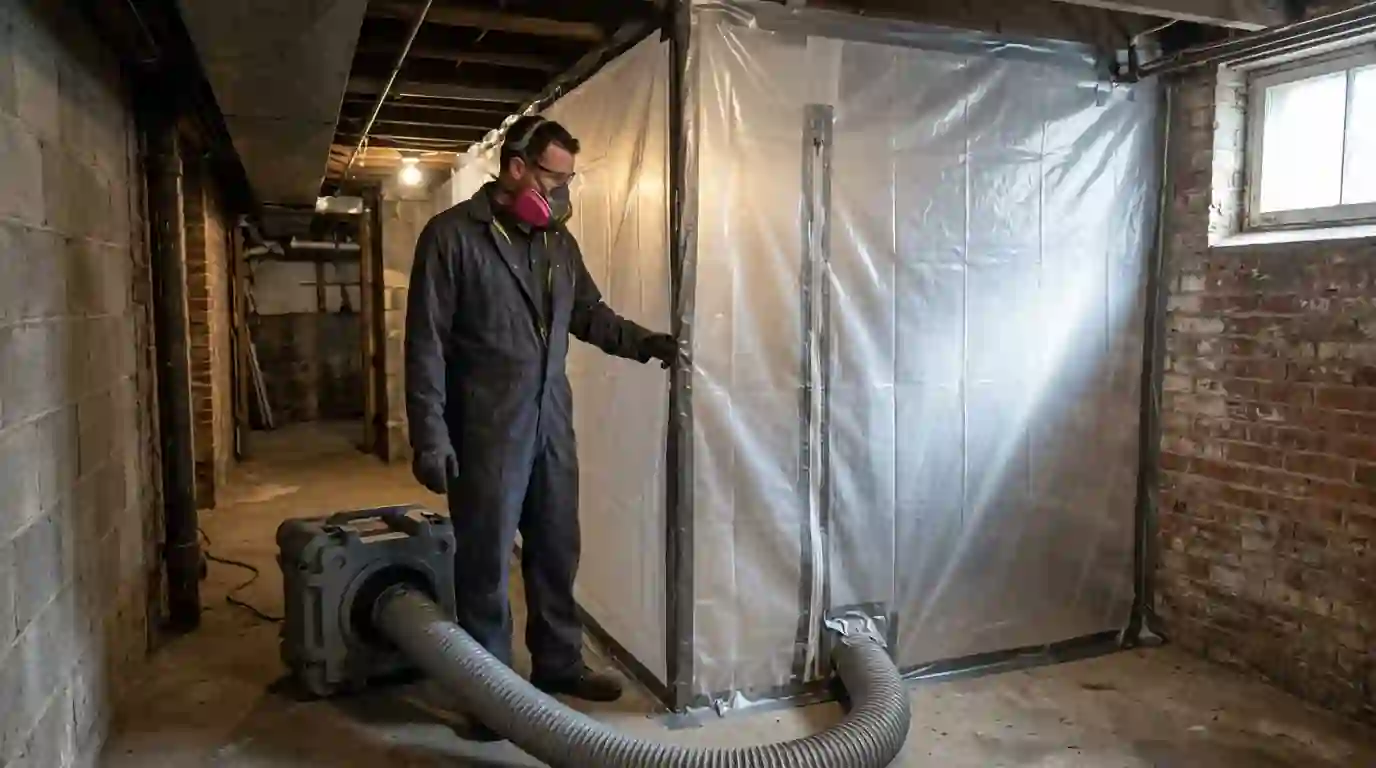
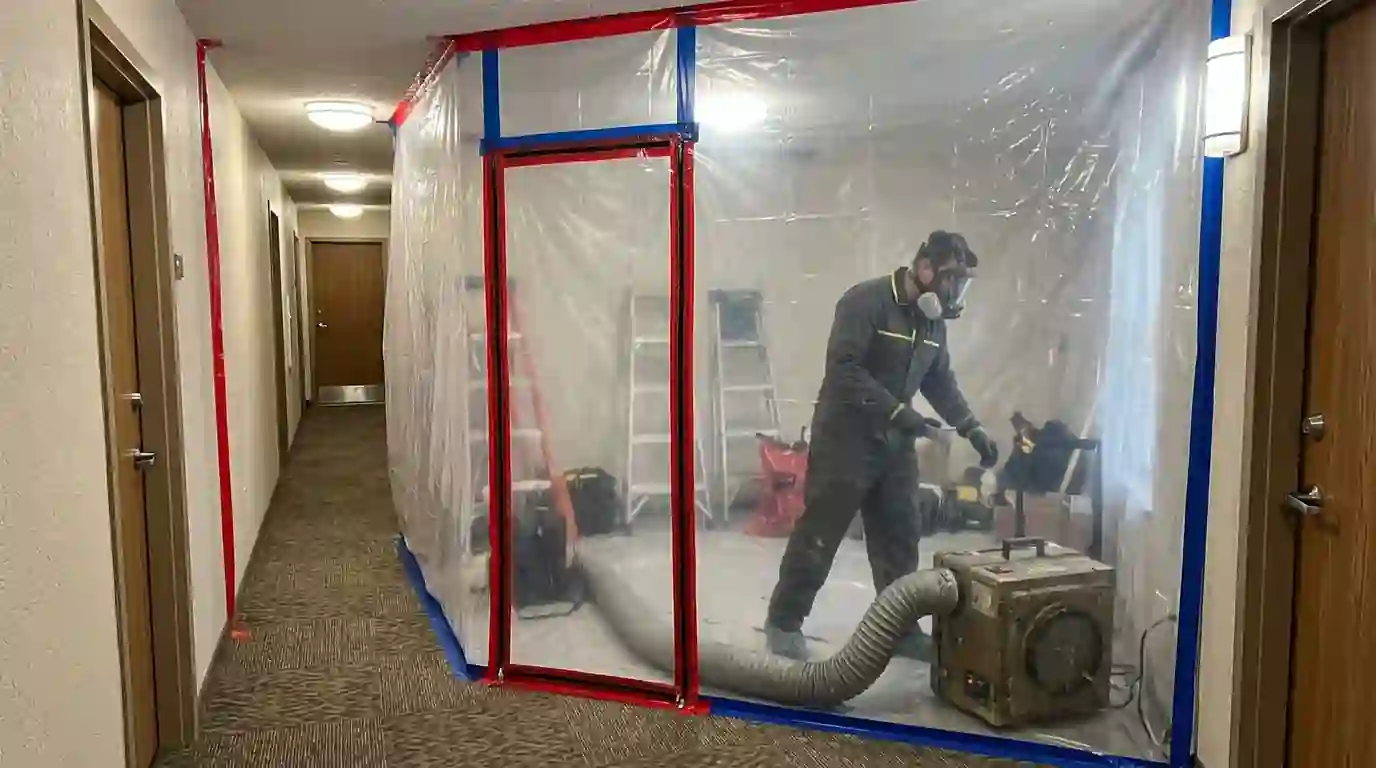
The removal itself is done under containment. Plastic walls and negative air keep spores from spreading into the rest of the home while moldy drywall, insulation and carpet come out and hard surfaces are cleaned. On larger jobs we work to a written plan from an independent assessment, and clearance is checked before the containment comes down.
What mold remediation costs
Size of the affected area and what it's growing in drive the price.
| Job | Typical range | Source |
|---|---|---|
| Mold remediation | $15 to $30 per sq ft, or $1,500 to $15,000+ total | HomeGuide |
| Mold inspection | $300 to $650 | HomeGuide |
These are planning ranges from published national cost guides, not a quote and not our price. We give you a written scope after we have measured the damage.
Area affected
More square feet of growth means more removal and cleaning.
Material
Mold in drywall and insulation needs removal; on tile it can be cleaned.
Location
Attics, crawl spaces and inside walls take more work to reach.
Containment
Larger or occupied spaces need more containment and air filtration.
Moisture source
Fixing the leak or ventilation may add work.
Assessment and clearance
Independent assessment and clearance are separate costs.
Rebuild
Walls and finishes replaced afterward add to the total.
Small patch or a remediation job
| Small surface patch | Remediation job | |
|---|---|---|
| Typical size | A few square feet on a hard surface | Larger areas or inside walls |
| Material | Tile, glass, sealed surfaces | Drywall, insulation, carpet, wood |
| Approach | Clean and dry, fix the moisture | Contain, remove material, clean, verify |
| Who | Often a homeowner with care | A remediation crew with containment |
Mold after a water leak
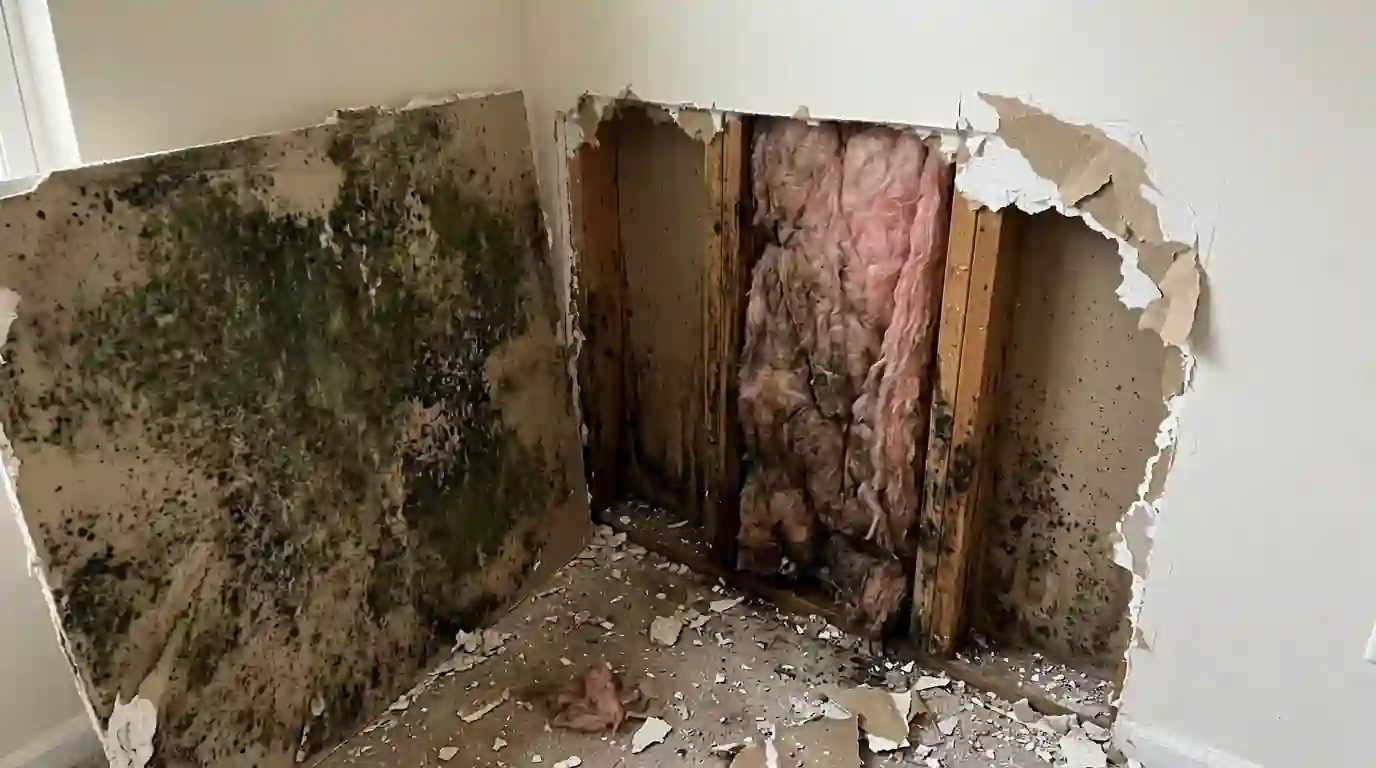
A leak that wasn't dried properly is the most common cause we see. Mold grows on the back of drywall, in wet insulation and under flooring, often where you can't see it yet. We remove the affected material, dry the cavity and rebuild. If the leak is still active, leak detection comes first.
Basement mold
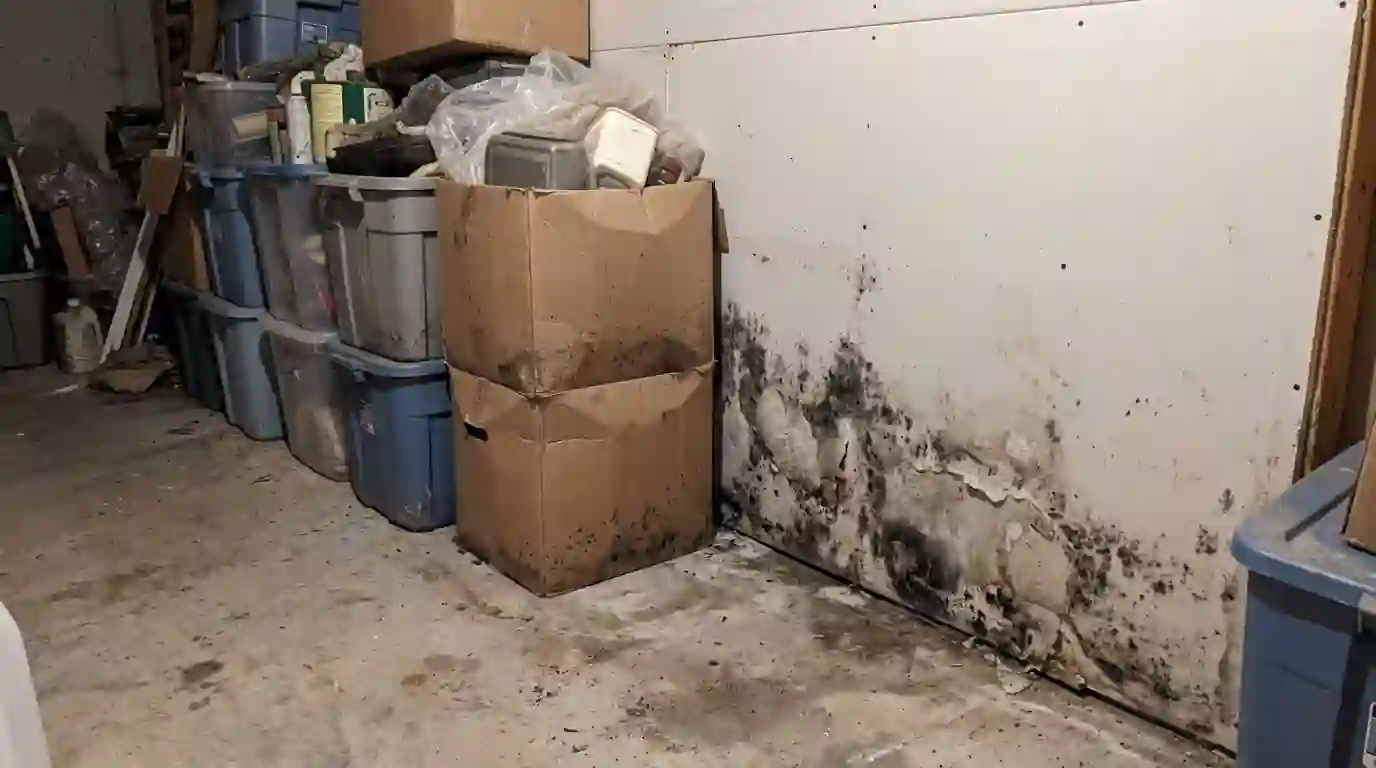
Basements are damp by nature, and a flood or slow seepage pushes them over the edge. Mold grows on drywall near the floor, on stored boxes and on the underside of the floor above. We remove what's affected, clean the framing and slab, and dry the space; lasting results usually need a dehumidifier and a fix for where the water enters.
Bathroom and closet mold
Bathrooms without enough ventilation grow mold on ceilings and grout; closets on cold exterior walls grow it behind clothes. Surface mold on tile can be cleaned; mold in drywall or behind tile means a leak or condensation that has to be fixed. Shower leaks are a frequent hidden cause.
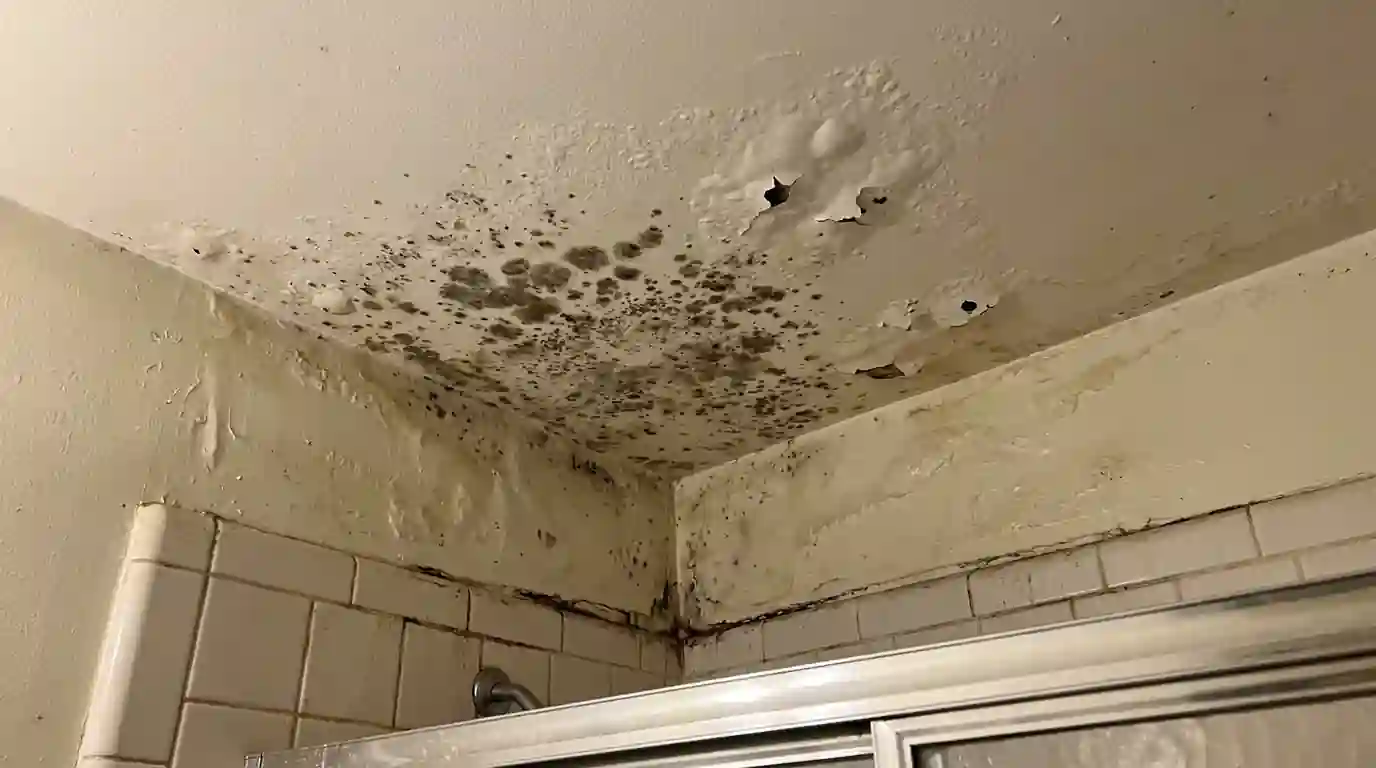
What a mold remediation job includes
Removal is one step of seven.
- Finding and fixing the moisture source, or confirming it's fixed
- Containment with plastic walls and negative air pressure
- Removal of moldy drywall, insulation, carpet and other porous material
- HEPA vacuuming and cleaning of framing and hard surfaces
- Drying of the area to verified readings
- Clearance check before the containment comes down
- Rebuild once the area passes
Mold after the storms of recent years
Basements that flooded during Ida in Woodside and Flushing, and during the August 2024 storm around Stony Brook, when Suffolk County saw its first flash flood emergency, are where a lot of the mold calls came from in the months afterward. Walls that looked dry after a quick cleanup were still wet inside. That's why we read the walls before signing off any flood job, and why a musty smell months later is worth a call.
How a mold job runs
Find the moisture
We locate the water source and confirm it's stopped.
Contain
The area is sealed and put under negative air.
Remove and clean
Moldy porous material comes out and surfaces are HEPA vacuumed and cleaned.
Dry and verify
The area is dried and checked before the containment comes down.
Rebuild
Walls, floors and finishes go back once it passes.
Mold questions
What people ask when they see it.
A small patch on a hard surface, carefully, yes. Mold in drywall, insulation or a large area needs containment and removal.
Bleach can whiten surface mold on tile but doesn't fix mold rooted in porous material or the moisture that feeds it.
Not if the moisture source is fixed and the area is dried. That's why we start with the source.
Often not, if the area is contained. Large jobs in living space may mean a few days away.
Mold from a covered sudden leak may be. Mold from long-term moisture often isn't. Ask your insurer.
Larger jobs are checked by an independent assessment before containment comes down.
Related mold and moisture services
Attic Mold Removal
Mold on roof sheathing and rafters, plus the venting that caused it.
Odor Removal
Smoke, sewage, pet and tobacco odors treated at the source, then deodorized.
Leak Detection
Thermal imaging and moisture mapping to find where the water actually went.
Structural Drying
Dehumidifiers, air movers and daily readings until the structure is dry.
Basement Flood Cleanup
Pump-out, tear-out and drying for basements that took on water.
Mold growing in your home?
Leave it undisturbed and call. We'll tell you what's likely feeding it and how we'd remove it.
Updated September 2026