Floodwater cleanup, answered 24/7
Flood damage cleanup and restoration in New York, NY and Long Island
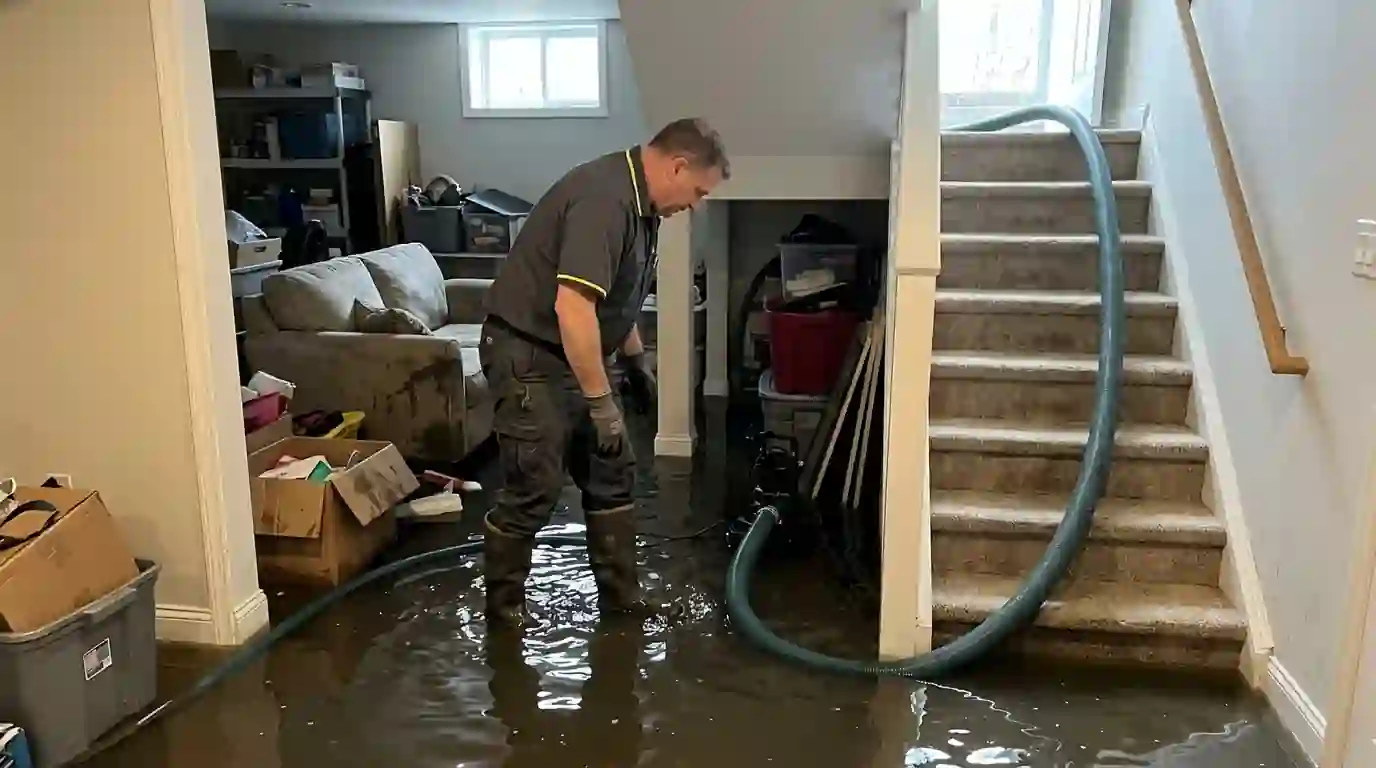
Floodwater came in from the street, the river or the bay? It's handled as contaminated from the start. We pump out, remove what it soaked, clean, dry and document it for your flood claim.
- Answering 24/7
- Contaminated water handled
- Flood claim records
Quick answer
Floodwater that enters a New York, NY or Long Island home from outside is treated as Category 3 water, so porous materials it soaked are removed rather than dried. Published per-square-foot mitigation prices run about $7.50 for black water. We pump out, remove, clean, dry and document every step for the flood claim.
Why floodwater is handled differently
Water that comes in from outside, over the ground or from a river or bay, carries whatever it passed through: sewage, fuel, road runoff and soil. Everything porous it soaked, drywall, insulation, carpet and upholstered furniture, is removed rather than dried, and the framing and slab are cleaned before drying.
Saltwater from a surge adds corrosion to the list. Wiring, appliances and metal fasteners that sat in salt water need checking even after they look dry. We pump out, tear out to above the water line, clean, dry and document, then rebuild.
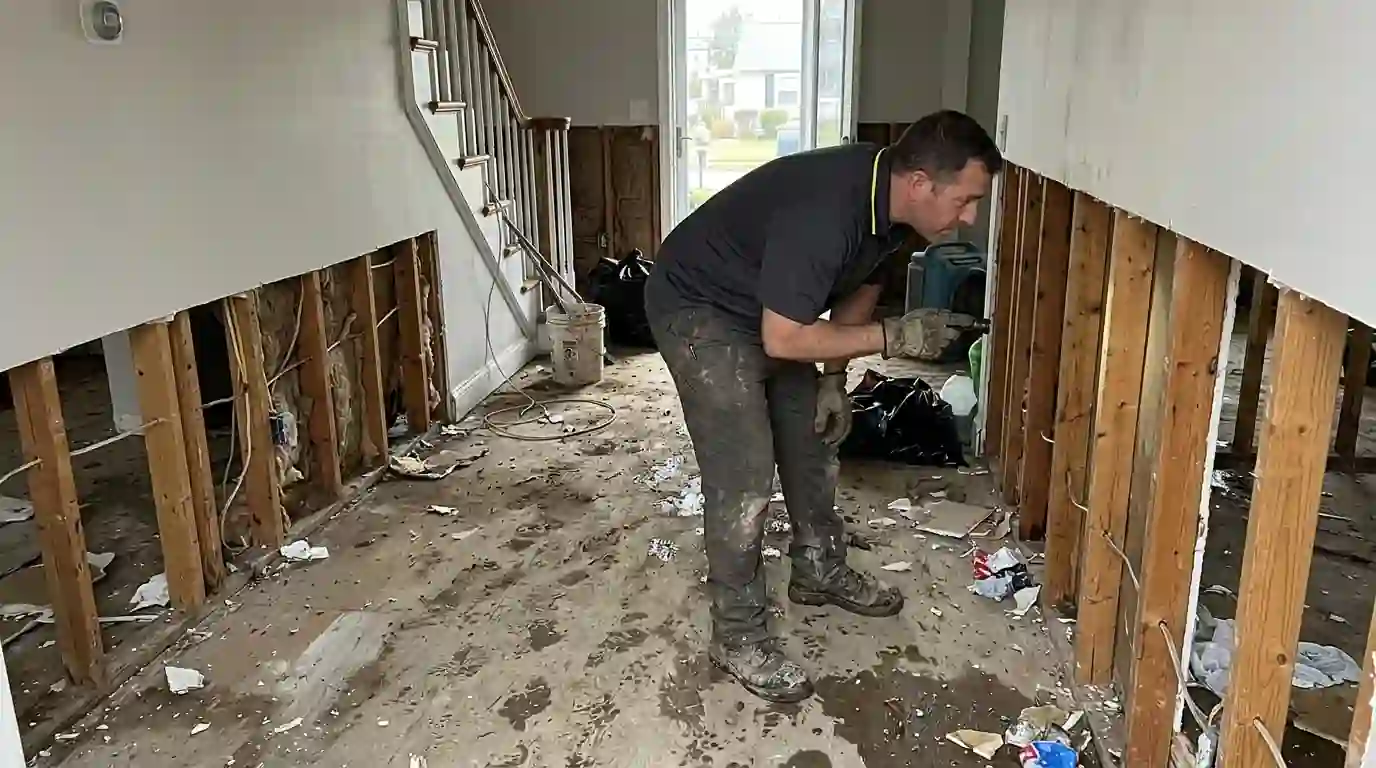
Flash flooding at street level
Cloudbursts overwhelm drains and send water across streets and into ground floors and basements. The water rises fast and drops fast, leaving mud and debris. We pump, shovel out, remove wet finishes and dry. Water that came up through a drain is covered on our sewage backup page.
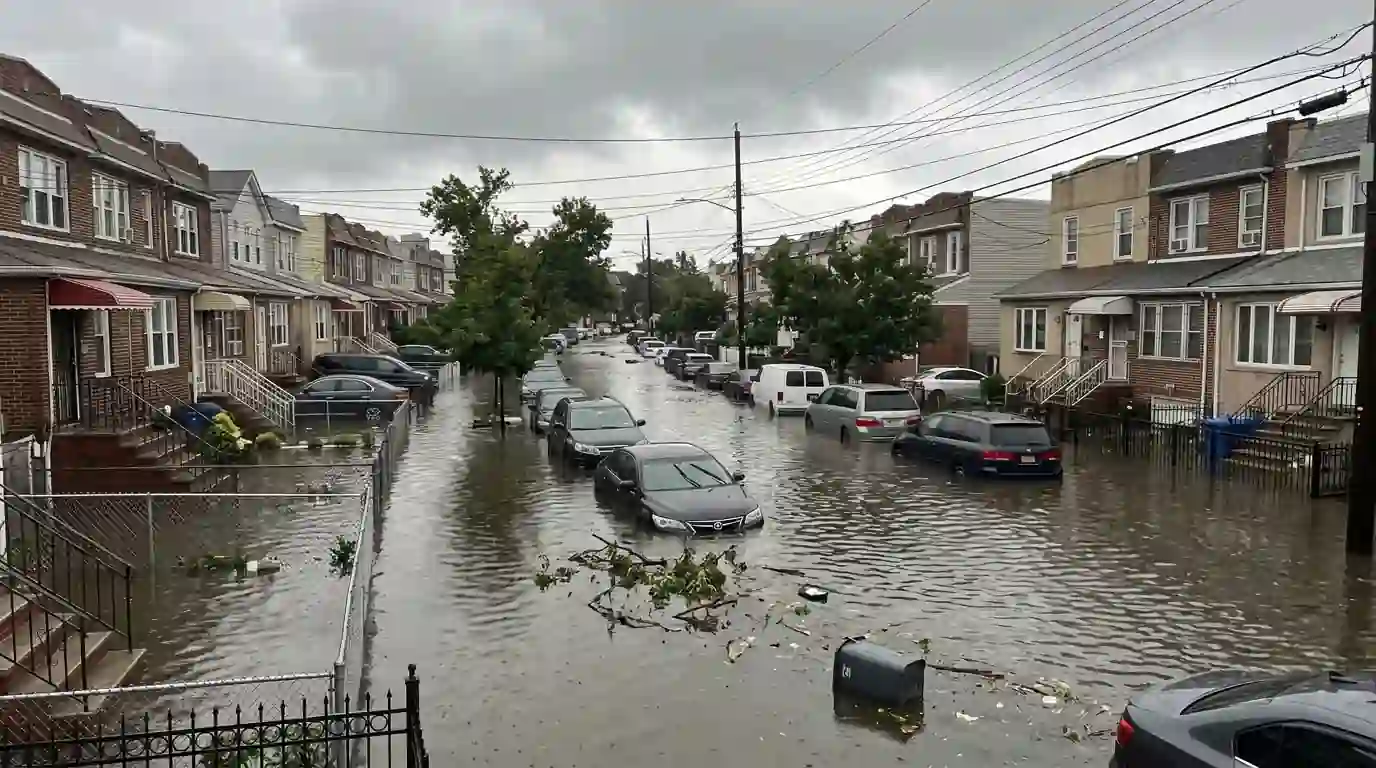
Storm surge and tidal flooding
Surge from the ocean or the bays pushes saltwater into shoreline houses, sometimes for hours. Salt keeps working after the water leaves, corroding wiring, fasteners and appliances. We tear out to above the line, rinse and clean the framing, dry and flag anything electrical that needs an electrician's check.
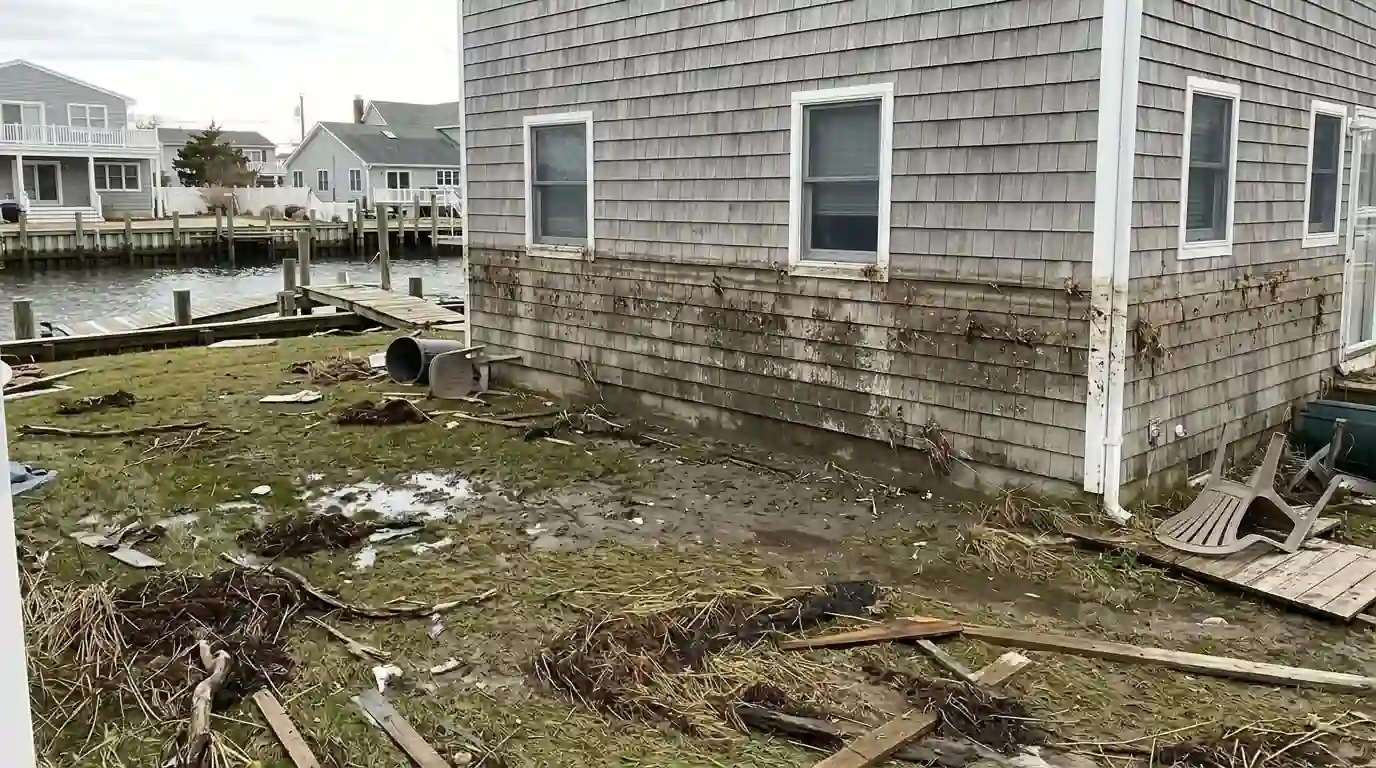
Flood insurance paperwork
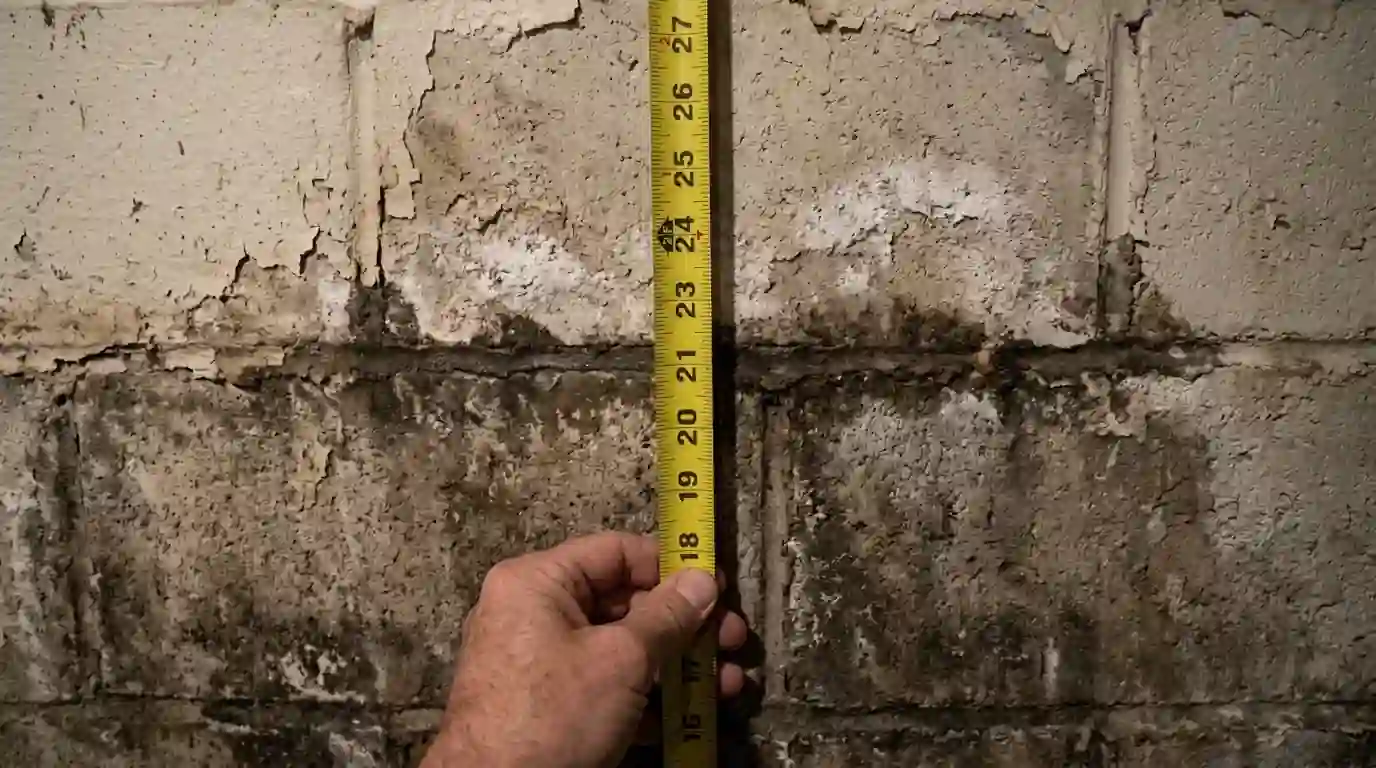
Flood claims move on documentation: photos before tear-out, measured water lines, lists of what was removed and moisture logs. We record all of it as we go and keep it ready for your adjuster. Keep samples of flooring and cut-out materials until the adjuster says otherwise.
How a flood job runs
Safety
Power off, gas checked, and nobody wading through the water.
Document
Photos and measured water lines before anything is removed.
Pump and tear out
Water comes out, then porous materials to above the water line.
Clean and dry
Framing and slab are cleaned and treated, then dried with daily readings.
Rebuild
Walls, floors and finishes go back once the structure tests dry.
How long flood recovery takes
Pump-out and tear-out usually happen in the first days. Cleaning and drying take a week or more depending on the materials and the weather. After a widespread flood, adjusters and materials are in demand, so the rebuild depends on approvals as much as work.
We give you the order of work and keep the drying log current, so nothing is waiting on paperwork from our side.
Flood history along the water
Sandy flooded Long Beach, eroded its dunes and destroyed homes on the canals of Lindenhurst. On Staten Island, low-lying neighborhoods like Ocean Breeze were hit hard enough that about 600 families later took state buyouts. Houses that stayed in those areas have flooded before and may again, which is why we document water lines carefully and rebuild with materials that handle getting wet.
Flood policy or homeowners policy
| Flood insurance | Homeowners insurance | |
|---|---|---|
| Water from outside at ground level | Usually covered | Usually excluded |
| Burst pipe or leak inside | Usually not | Usually covered |
| Sewer backup | Depends on the cause | Often needs a rider |
| What to do | Call the flood carrier | Call the home insurer |
General information, not advice about your policy. Your insurer decides coverage; we document either way.
What flood damage cleanup costs
Depth, contamination and how much has to be removed set the price.
| Job | Typical range | Source |
|---|---|---|
| Mitigation by water class, per square foot | about $3.50 clean, $5.25 gray, $7.50 black water | Angi data as published by SERVPRO, 2026 |
| Sewage and contaminated water cleanup, per square foot | $7 to $15+ | HomeGuide |
| Water damage restoration, overall | national average about $3,865; most jobs $450 to $16,000 | Angi data as published by SERVPRO, 2026 |
These are planning ranges from published national cost guides, not a quote and not our price. We give you a written scope after we have measured the damage.
Water depth
Higher water means more wall removed and more to clean.
Saltwater
Surge flooding adds corrosion checks and more cleaning.
Mud and debris
Silt and debris have to be shoveled out before cleaning.
Area and floors
Whole ground floors cost more than a single room.
Contents
Soaked furniture and belongings add removal and documentation.
Demand after a storm
Widespread floods stretch schedules and materials.
Rebuild
Finishes put back after drying set the final number.
Flood damage questions
What people ask after the water goes down.
Yes. It can carry sewage, fuel and chemicals. Wear boots and gloves and keep children and pets out.
Usually not for water from outside at ground level; that needs a flood policy. Your insurer decides.
Hard items that can be cleaned and disinfected. Porous items soaked by floodwater are usually lost.
Above the water line, usually a foot or more, to reach wet material that wicked up.
Yes, keep flooring and material samples until your adjuster says otherwise.
Yes. The same number covers the city, Long Island and Westchester.
Related flood and storm services
Basement Flood Cleanup
Pump-out, tear-out and drying for basements that took on water.
Storm Damage Restoration
Wind-driven rain, fallen limbs and ice dam leaks, dried and repaired.
Sewage Backup Cleanup
Category 3 cleanup for rain-driven backups, main line clogs and floor drains.
Structural Drying
Dehumidifiers, air movers and daily readings until the structure is dry.
Contents Pack-Out
Belongings inventoried, packed out, cleaned and returned after a loss.
Floodwater in the house?
Stay out of the water and call once it's safe. We answer around the clock.
Updated September 2026