Odors treated at the source
Smoke, sewage and pet odor removal in New York, NY
Smell still there after cleaning? Odor lives in porous materials and hidden spaces. We find the source, remove or clean it, then deodorize what's left so the smell doesn't come back on the next warm day.
- Answering 24/7
- Source first, then treatment
- Smoke, sewage, pets
Quick answer
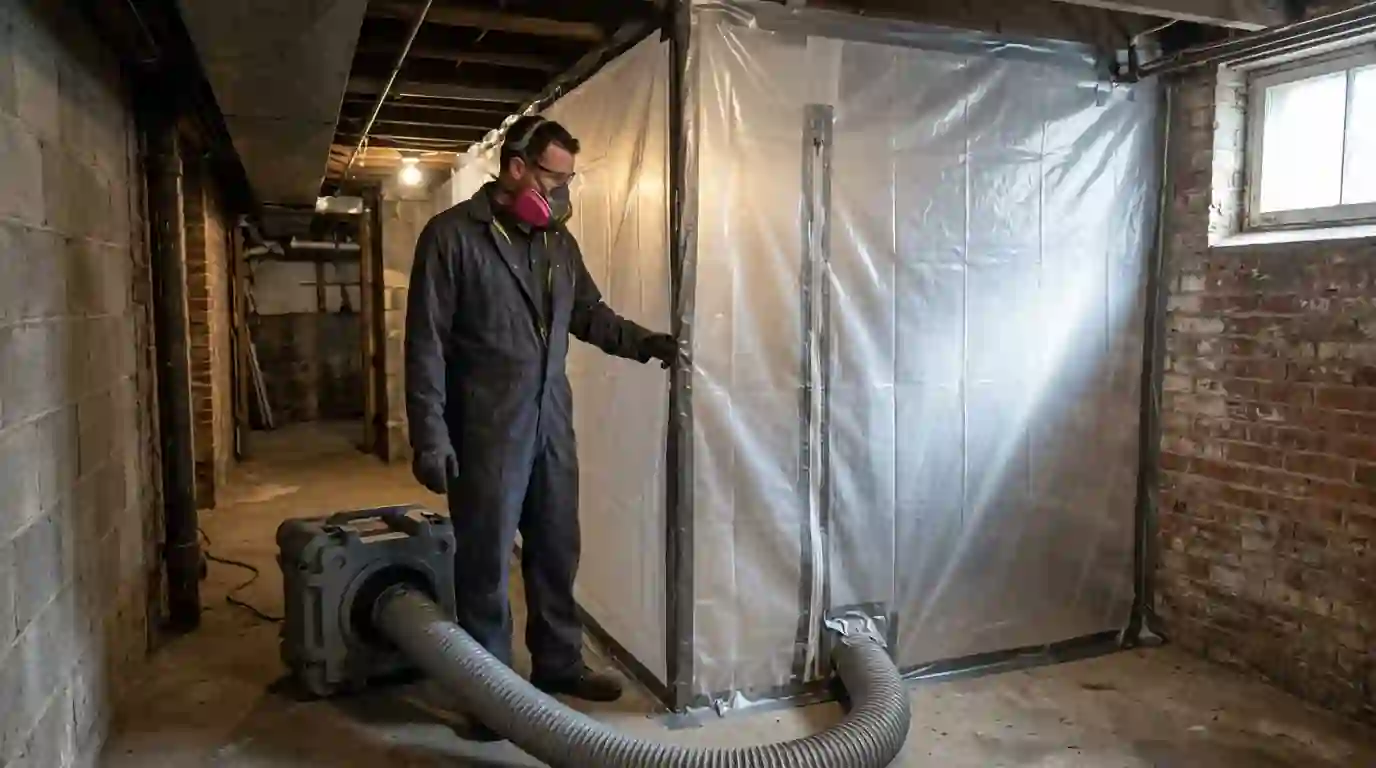
Odor removal in a New York, NY home works only after the source is removed or cleaned, because smell comes from residue in porous materials, not from the air itself. Published guides put odor removal and deodorizing at about $200 to $600 per room. We clean first, then treat what cleaning can't reach.
Why air fresheners don't work
Odor molecules come from something: soot in drywall and fabric, sewage residue in a subfloor, urine in carpet pad, nicotine in paint. Masking the smell only covers it until heat or humidity releases more. The only lasting fix is to remove or clean the source, then treat what's absorbed into materials that stay.
We find the source with our noses and our meters, remove what can't be cleaned, clean what can and then deodorize, using methods matched to the odor and the space. Sealing primers lock in anything left in walls before they're repainted.
What odor removal costs
The source and how far the smell has spread set the price.
| Job | Typical range | Source |
|---|---|---|
| Odor removal and deodorizing, per room | $200 to $600 | HomeCostLab |
| Duct cleaning after smoke | $500 to $2,000 | HomeCostLab |
These are planning ranges from published national cost guides, not a quote and not our price. We give you a written scope after we have measured the damage.
Source
Smoke, sewage and urine each need different removal.
Rooms affected
Smell through a whole home costs more than one room.
Materials to remove
Carpet, pad or drywall that hold the odor add removal and replacement.
Ductwork
Ducts that carry odor need cleaning and new filters.
Sealing and paint
Sealing primer and repainting lock in residue.
Repeat treatment
Heavy odors may need more than one treatment.
Access
Crawl spaces and attics take more time.
What helps and what doesn't
| What helps at home | When to call us | |
|---|---|---|
| Airing out | Open windows and run fans after cleaning | The smell returns once windows close |
| Fabrics | Wash what can be washed | Upholstery, carpet and pad still smell |
| Air fresheners | Only mask it for a while | You're using them every day |
| Walls | Wash painted surfaces | The smell comes back on warm days |
Smoke odor
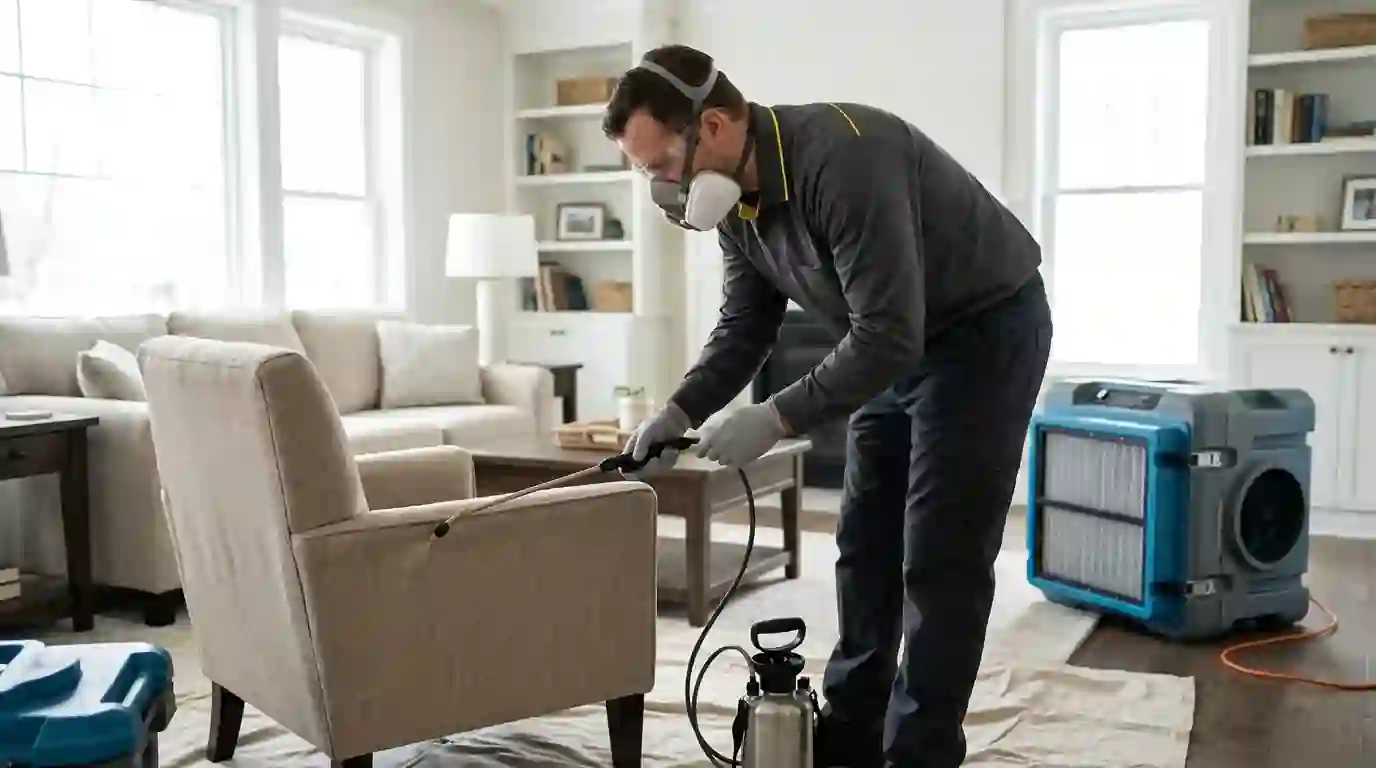
Smoke odor stays in drywall, insulation, fabric and ductwork long after the soot is cleaned. We make sure the soot cleanup is complete, clean the ductwork and change filters, then treat the remaining odor with methods that reach into porous materials. Walls get a sealing primer before paint.
Sewage and wet-building odor
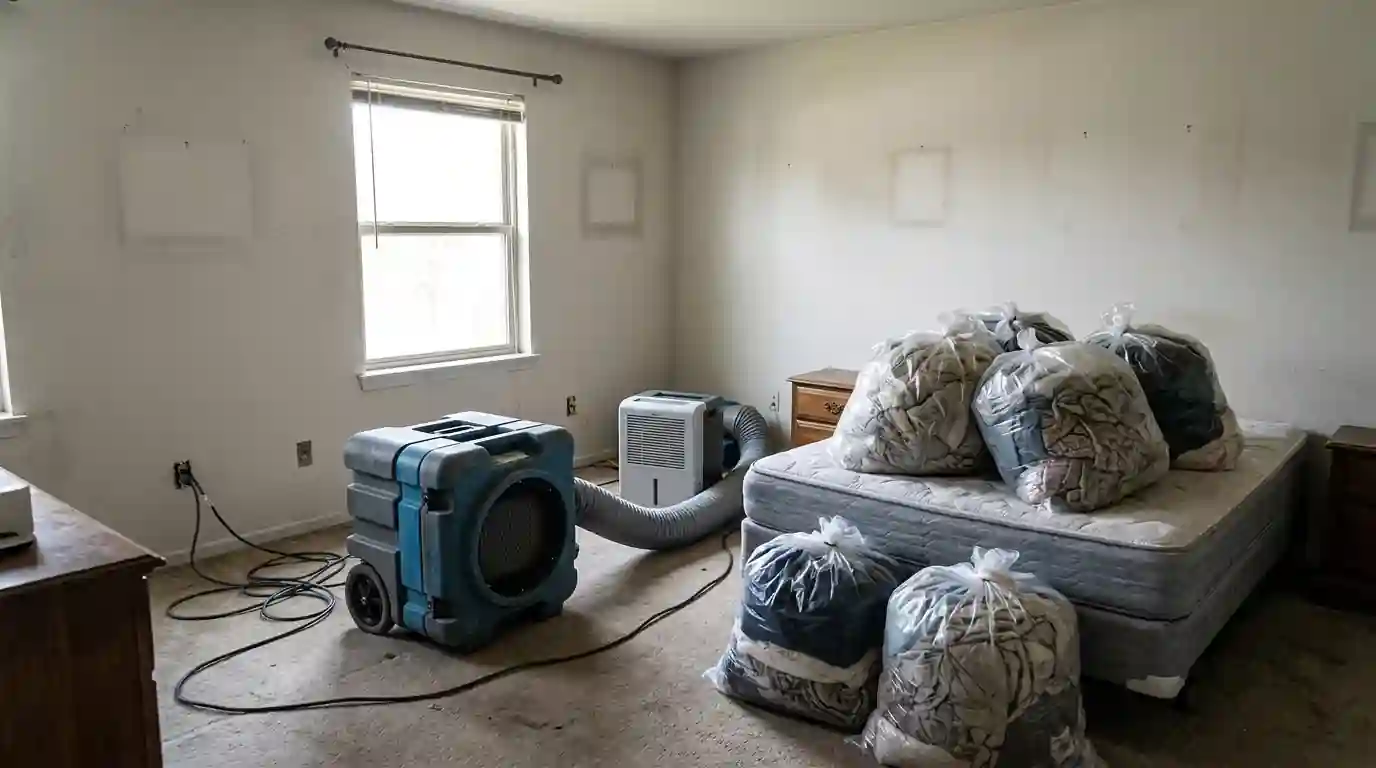
Sewage and long-wet buildings leave a sour, musty smell that lives in subfloors, drywall and framing. The contaminated material has to come out; the framing and slab are cleaned and dried. Odor that remains after drying is treated, and a dry trap or a failed wax ring gets fixed so the smell doesn't return.
Pet and tobacco odor
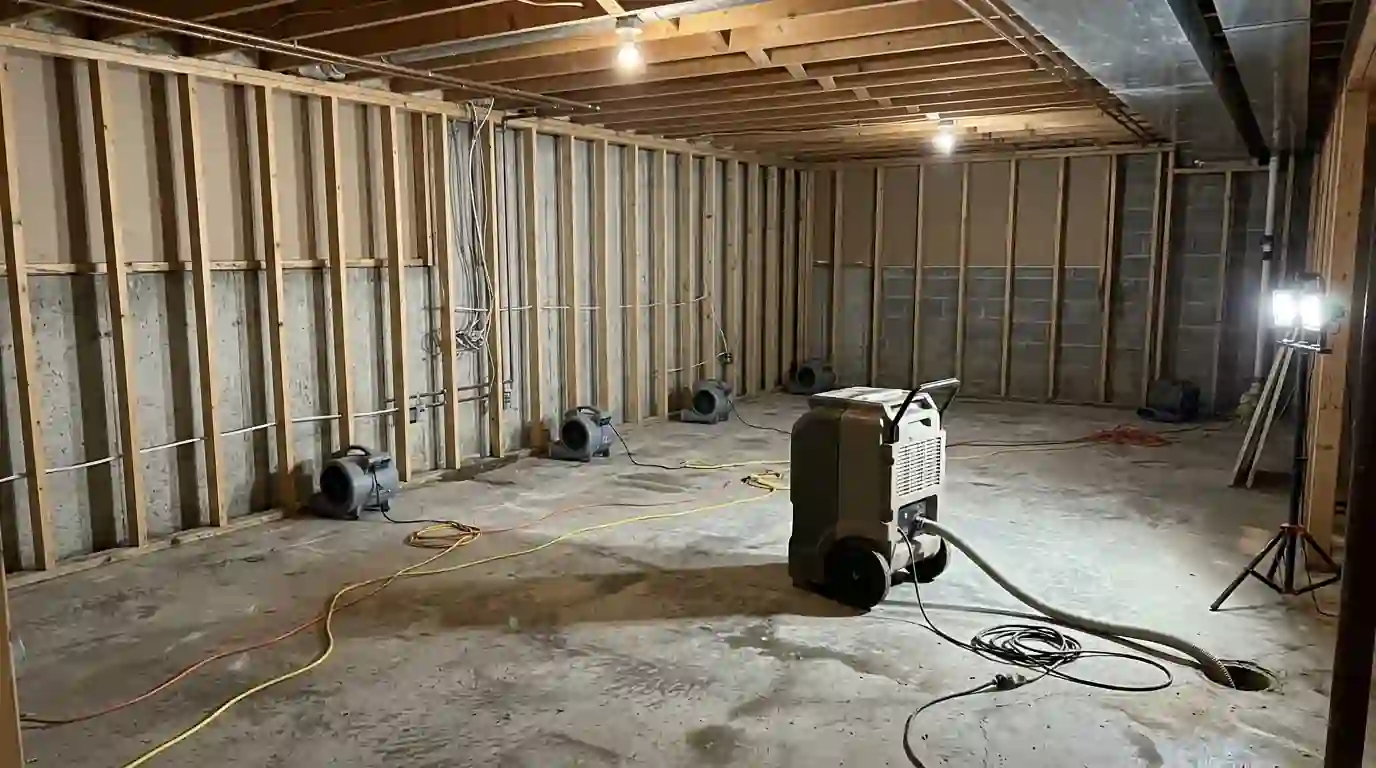
Pet urine soaks through carpet into the pad and the subfloor, and tobacco coats every surface with a yellow film. Carpet and pad are usually replaced, the subfloor is cleaned and sealed, and walls and ceilings are cleaned and primed before painting. This is often done between tenants or before a sale.
Odor calls from basements and boiler rooms
DEP logs an average of 12,569 sewer backup complaints a year, and each of those basements needs its odor handled after the cleanup. Out on Long Island, where roughly a third of households heat with oil, puffbacks leave a fuel smell through the house. Those two, sewage below grade and oil soot above it, account for most of the odor work that comes to us, well ahead of pets and tobacco.
How we remove odors
Find the source
We trace the smell to the materials holding it.
Remove
Materials that can't be cleaned, like soaked pad or drywall, come out.
Clean
Surfaces, framing, ducts and fabrics are cleaned.
Treat
Odor treatment reaches into what's left in porous materials.
Seal and recheck
Walls are sealed before paint and the space is rechecked closed up.
How long odor removal takes
One room with a clear source can be done in a day or two. Smoke through a whole home, or sewage in a finished basement, takes longer because removal and cleaning have to finish before treatment works.
We check the space again after treatment, closed up and warm, because that's when a leftover source shows itself.
Odor removal questions
What people ask when the smell won't quit.
Heat and humidity release odor from porous materials. It means the source is still there.
Sometimes, if the source is on surfaces. Soaked pad, drywall or insulation usually has to go.
Ozone is only used in unoccupied spaces and aired out before anyone returns. We explain the method before using it.
Not by itself. A sealing primer after cleaning locks it in; paint alone doesn't.
Yes. Walls and ceilings are cleaned and sealed, and carpet is usually replaced.
We recheck the space closed up and warm, when odor would return.
Related cleanup services
Smoke and Soot Cleanup
Dry and oily soot cleaned off walls, ceilings, ducts and belongings.
Sewage Backup Cleanup
Category 3 cleanup for rain-driven backups, main line clogs and floor drains.
Puffback Cleanup
Oily soot cleanup after an oil burner misfires through the house.
Mold Remediation
Containment, removal and cleaning of mold, following an independent assessor's plan.
Contents Pack-Out
Belongings inventoried, packed out, cleaned and returned after a loss.
Smell that won't leave?
Call and describe it. We'll tell you where it's likely coming from.
Updated September 2026