Soot and smoke odor, answered 24/7
Smoke and soot damage cleanup in New York, NY
Soot on the walls after a fire in your building or next door? Don't wipe it yet. We test the soot, clean it off walls, ceilings, vents and belongings, then treat the odor at its source.
- Answering 24/7
- Dry and oily soot
- Walls, vents and contents

Quick answer
Smoke damage in a New York, NY apartment shouldn't be wiped with a wet cloth, because wiping smears soot deeper into paint and plaster. Published guides put smoke and soot removal at about $500 to $5,000, depending mostly on the soot type and the area affected. We test, dry-sponge, clean and deodorize, in that order.
Why soot needs the right cleaning method
Soot is not one thing. A fast, hot fire leaves dry, powdery residue. A slow, smoldering fire, or burning plastic, leaves an oily film that smears. The method that lifts one pushes the other deeper into the surface, so we test before we clean.
Smoke also goes where the fire didn't. It rides air currents through shafts, ducts and gaps around pipes, which is why an apartment two floors above a kitchen fire can have soot lines along its ceiling edges and a smell in every closet. We clean the surfaces, the air paths and the belongings, then deal with the odor.
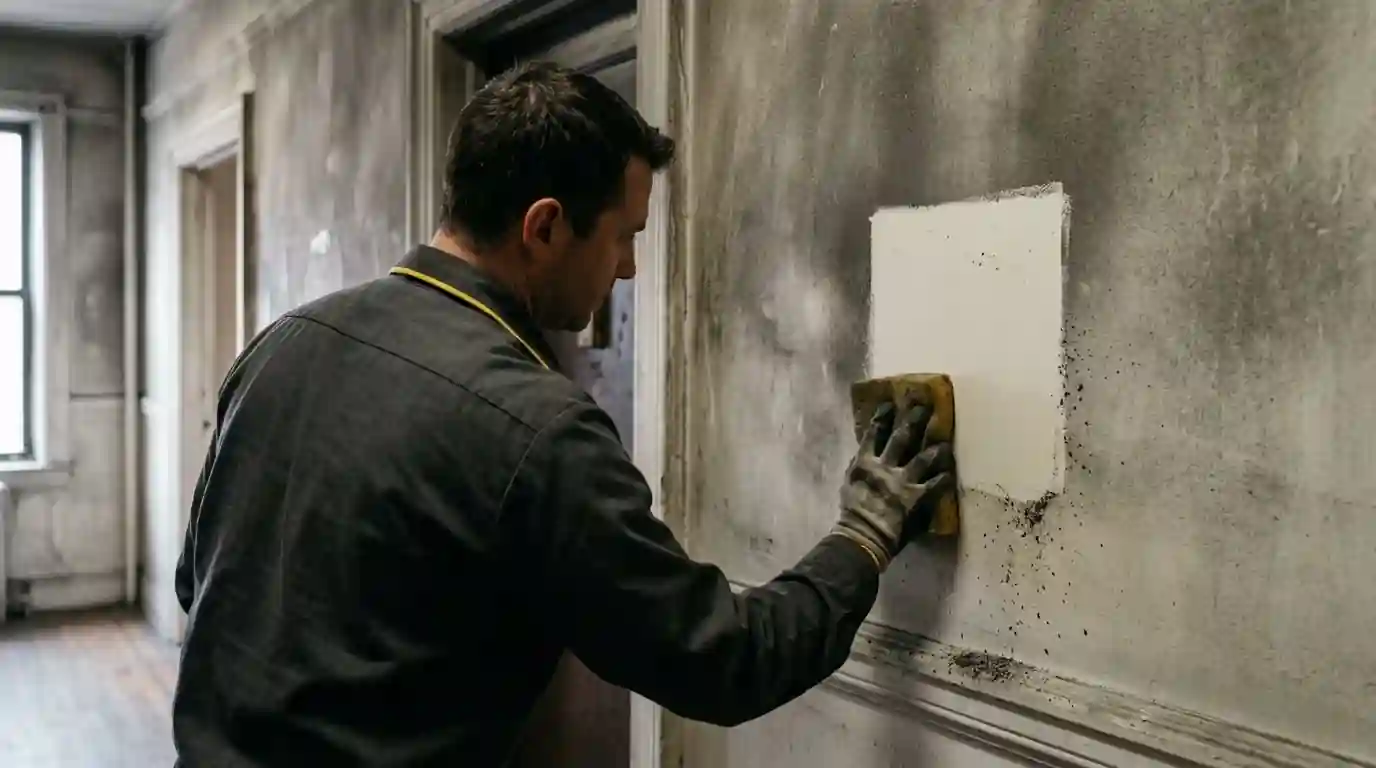
Signs smoke has spread further than you think
Look past the room where the fire was.
Dark lines at ceiling edges
Soot collects where air stalls, so gray lines along ceiling corners show where smoke traveled.
Shadows around outlets and switch plates
Air pulled through wall gaps leaves dark outlines around outlets, plates and door frames.
A smell that returns on warm days
Smoke odor trapped in fabric and porous surfaces comes back when heat or humidity rises.
Soot on vent covers and filters
Dark vent grilles mean smoke moved through the ductwork and will keep circulating.
A film on stored belongings
A tacky film on items in closets and drawers means oily smoke reached them too.
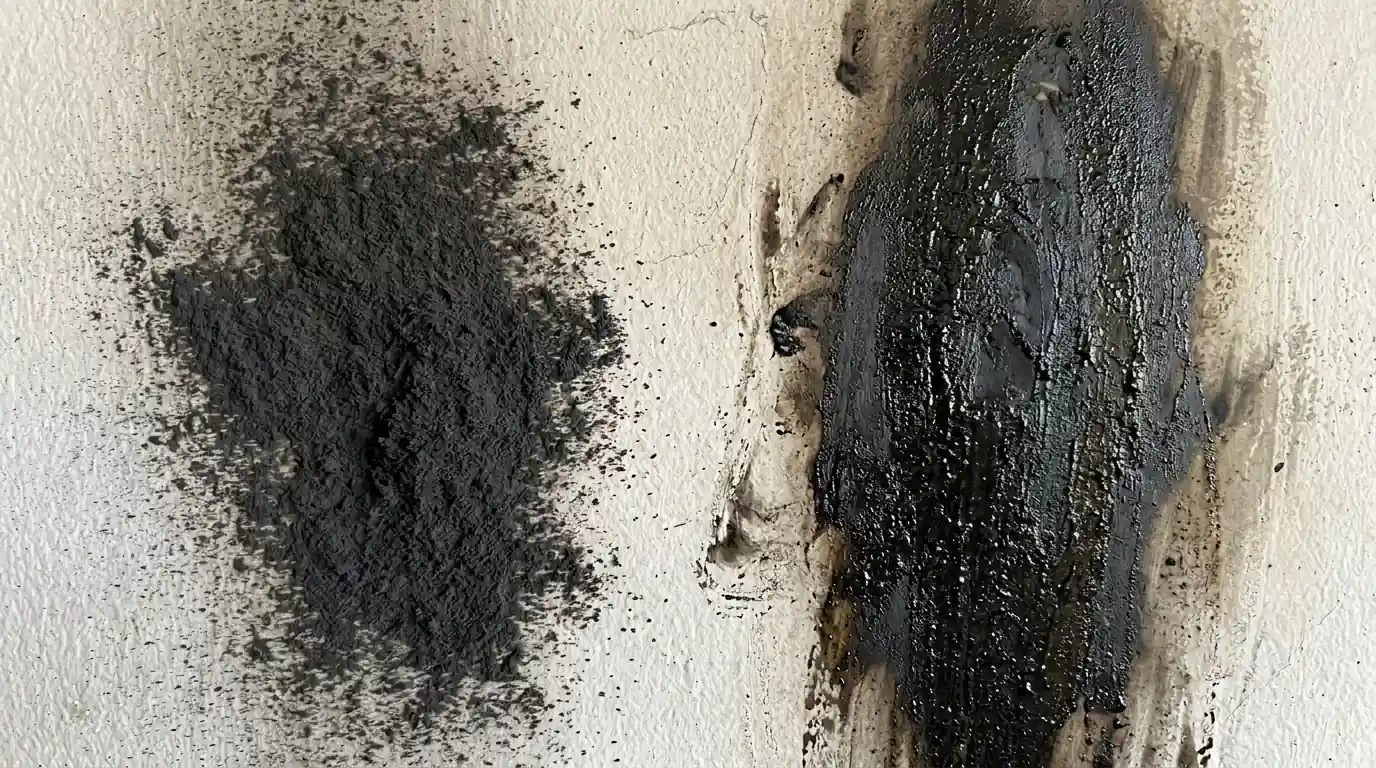
Dry soot versus oily soot
Dry soot from paper and wood burns hot and fast and can often be lifted with dry chemical sponges and HEPA vacuuming before any wet cleaning. Oily soot from plastics, cooking fires or a smoldering burn smears on contact and needs degreasing cleaners. One published guide puts oily soot removal at the high end, about $1,400 to $4,700. A small test area tells us which you have before we touch the room.
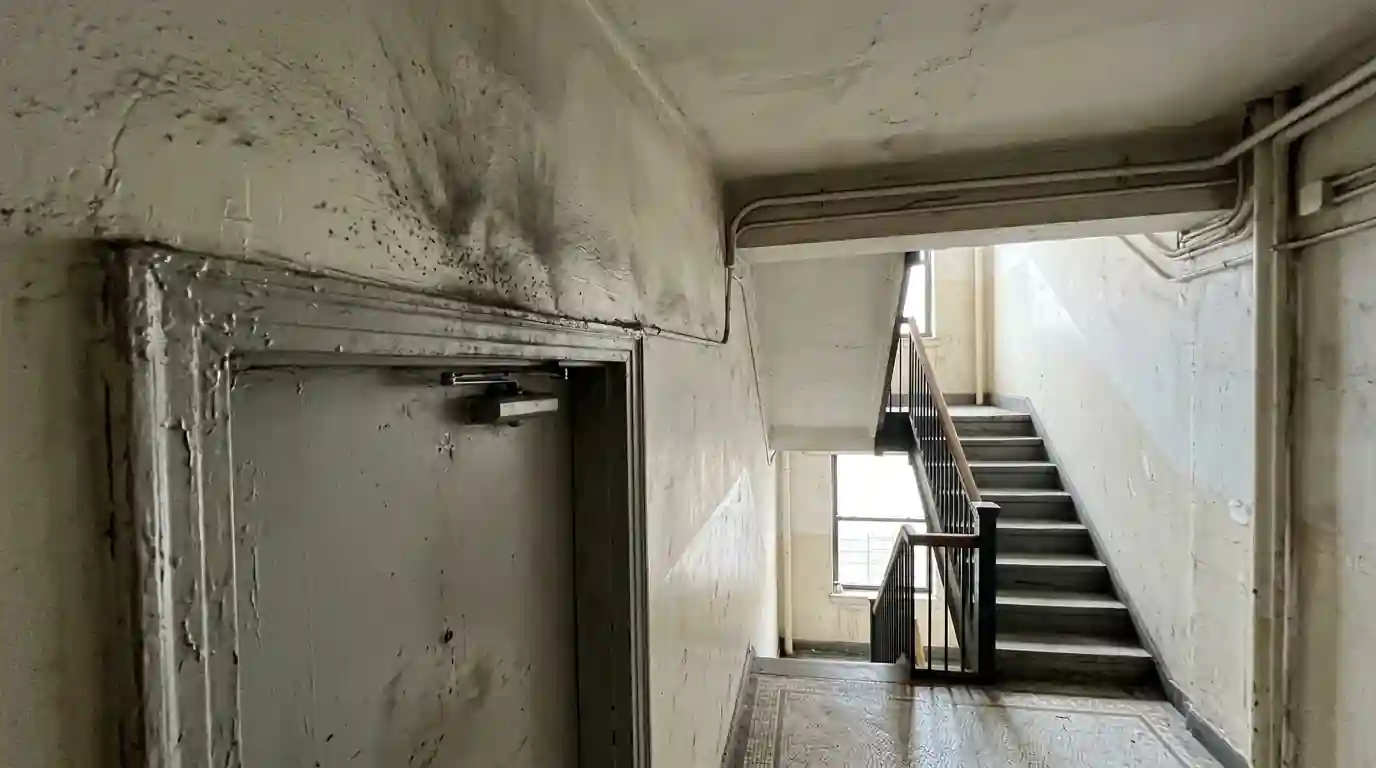
Smoke from a neighboring unit
In apartment buildings a lot of smoke work happens in units the fire never reached. Smoke moves through shafts, hallways and gaps around pipes and lands on neighbors' walls, ceilings and belongings. We document the damage room by room for your insurer, clean from the top of each room down and seal the gaps where smoke came in, so it stops arriving from the hallway.
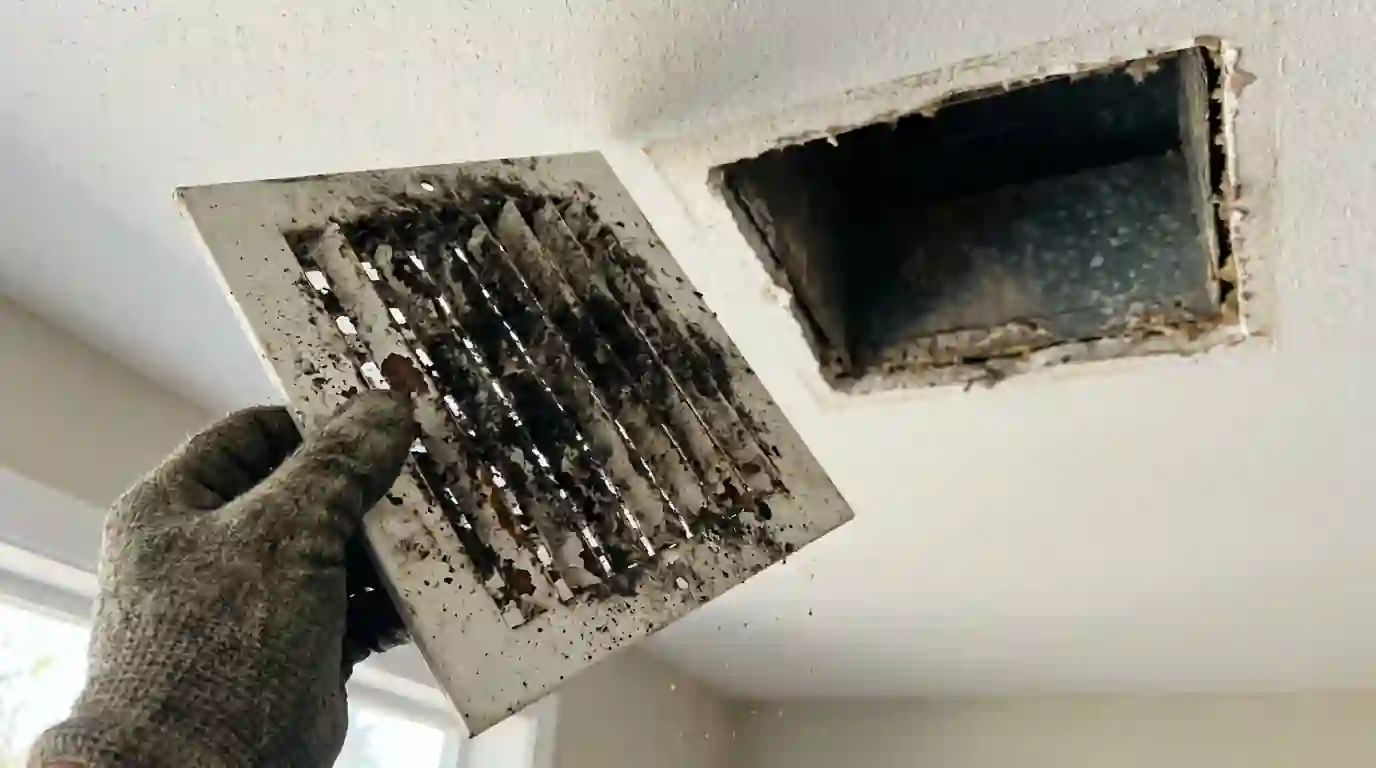
Soot in ducts and vents
Forced-air systems, bathroom exhausts and range hoods all move smoke around a home, and they keep doing it after the fire is out. We change filters, clean registers and vent covers and clean the duct runs that took in soot. Published guides put duct cleaning after smoke at about $500 to $2,000. For a smell that stays after cleaning, see odor removal.
What happens after you call about smoke damage
Walk and test
We walk every affected room and test the soot to choose the cleaning method.
Protect
Undamaged floors and belongings are covered, and air filtration goes in.
Clean top down
Ceilings, then walls, then fixtures and floors, dry methods before wet.
Clean the air paths
Filters, vents and ductwork are cleaned so smoke stops circulating.
Deodorize
Once surfaces are clean, odor treatment reaches what cleaning can't.
How smoke travels in New York buildings
More than half of the city's housing units are in prewar buildings, where smoke finds its way through old dumbwaiter shafts, gaps around steam risers and cracks between plaster and brick. That is how a small kitchen fire leaves soot three apartments away. Fire spreads fastest where homes sit close together, as Breezy Point showed when more than 100 homes burned during Sandy, but most smoke calls start with one stove or one outlet.
What a smoke cleanup job covers
The work goes well past the walls you can see.
- A soot test in each affected room to choose dry or wet cleaning
- Dry sponging and HEPA vacuuming of walls and ceilings before any wet cleaning
- Degreasing of oily soot on cabinets, trim and hard surfaces
- Cleaning of light fixtures, vent covers, radiators and window sills
- Filter changes and duct cleaning where smoke moved through the air system
- Cleaning of belongings on site, or a pack-out for heavier jobs
- Odor treatment once the surfaces are clean, not before
Dry soot and oily soot at a glance
| Dry soot | Oily soot | |
|---|---|---|
| Usual source | Paper and wood burning hot | Plastics, cooking fires, smoldering |
| How it looks | Powdery, gray to black | Sticky and dark, smears when touched |
| First step | Dry sponge and HEPA vacuum | Degreasing cleaner after a test patch |
| If wiped wet | Can streak into the paint | Spreads badly and sets the stain |
What smoke and soot cleanup costs
Soot type and the number of rooms affected drive most of it.
| Job | Typical range | Source |
|---|---|---|
| Smoke and soot removal | $500 to $5,000 | HomeGuide |
| Oily soot removal | $1,400 to $4,700 | Forbes Home |
| Smoke damage remediation | $200 to $900 | Forbes Home |
| Duct cleaning after smoke | $500 to $2,000 | HomeCostLab |
| Odor removal, per room | $200 to $600 | HomeCostLab |
These are planning ranges from published national cost guides, not a quote and not our price. We give you a written scope after we have measured the damage.
Soot type
Oily soot takes more labor and different cleaners than dry soot.
Rooms affected
Smoke that traveled through a unit means more ceilings and walls to clean.
Surfaces
Flat paint, raw brick and unfinished wood absorb soot and may need sealing or refinishing.
Belongings
Clothes, furniture and papers add inventory and cleaning time.
Air system
Ducts and vents that carried smoke add cleaning and filter changes.
Odor
Heavy odor may need treatment after cleaning, sometimes more than once.
Water from firefighting
If the fire was put out with water, drying is added to the job.
Smoke damage questions we get
Answers for the days right after a fire.
Light dry soot on a small area, maybe, with a dry chemical sponge. Wiping with a wet cloth or an all-purpose cleaner usually smears it and sets the stain.
Odor lives in porous materials: fabric, drywall, insulation and unsealed wood. If they aren't cleaned or treated, the smell returns with heat and humidity.
Heavy soot and a strong smell after a nearby fire are a reason to stay elsewhere until cleaning is done. Light residue in one room is usually manageable with the windows open.
Many policies cover smoke damage wherever the fire started. We document every affected room so your adjuster can see what was damaged.
Many can. Hard items usually clean well, and many fabrics respond to professional laundering. Items that stay stained or smelly after cleaning are listed for your claim.
Yes, where soot got inside. We clean registers, vent covers and reachable duct runs and change the filters so the system stops recirculating smoke.
Related fire and smoke services
Fire Damage Restoration
Board-up, soot removal, water from firefighting, and the rebuild.
Puffback Cleanup
Oily soot cleanup after an oil burner misfires through the house.
Odor Removal
Smoke, sewage, pet and tobacco odors treated at the source, then deodorized.
Contents Pack-Out
Belongings inventoried, packed out, cleaned and returned after a loss.
Emergency Board-Up
Plywood over broken windows, doors and storefronts after fire or impact.
Smoke or soot in your home right now?
Open windows if it's safe, don't wipe the walls and call. We answer day and night.
Updated September 2026