Guide: mold in rentals
Mold in a New York rental: who handles what
Mold in a rental is usually a building problem with a tenant's symptoms. Here's how to report it, what a real fix looks like and what to avoid.
By Wallace Blackwell, Restoration Guides Editor
Quick answer
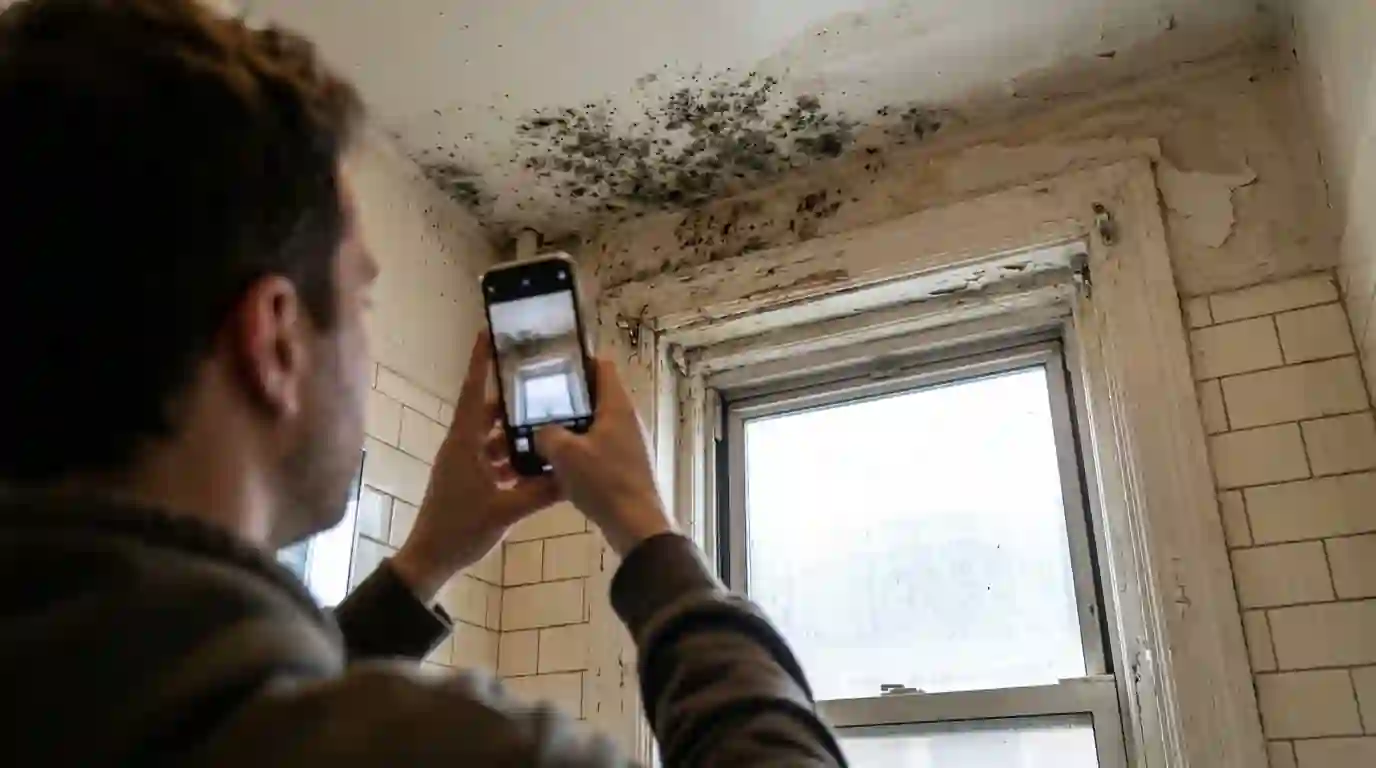
Mold in a New York City rental usually comes from a leak or moisture problem the landlord is responsible for fixing, and the city treats mold in rental apartments as a housing condition tenants can report through 311. Report it to the landlord in writing, photograph it, and expect the moisture source fixed, not just the surface painted over.
Where rental mold usually comes from
Leaks from the apartment above, failed shower pans, radiator and riser leaks, roof leaks on top floors and condensation in bathrooms without working ventilation. In most of those, the source is in the building's plumbing, heating or structure, which is the owner's to repair.
Our guide on how fast mold grows explains why a leak that wasn't dried becomes mold within days.
What tenants usually handle
Day-to-day ventilation and cleaning: running the bathroom fan or opening a window after showers, wiping small spots of surface mold on tile or caulk, and reporting leaks and mold promptly. Tenants shouldn't be expected to repair leaks, open walls or deal with mold inside building materials.
What landlords are usually responsible for
Fixing the leak or moisture source, removing mold from building materials and repairing what was damaged. The city's housing rules treat mold in rental apartments as a condition owners must address, and larger jobs in multi-unit buildings follow specific work practices. Painting over mold without fixing the source is not a fix.
This is general information, not legal advice; the specifics depend on the building and the lease.
How to report it
Tell the landlord or managing agent in writing, with photos, the location, how big it is and when you first noticed it. Keep copies and follow up in writing if nothing happens. If the owner doesn't respond, tenants can report the condition to the city through 311.
What a proper fix looks like
First the moisture source is found and fixed. Then the area is contained so spores don't spread, moldy materials are removed rather than painted, surfaces are cleaned and the area is dried and checked before it's rebuilt. Our mold remediation page walks through the steps.
What to avoid while you wait
Don't scrub or dry-brush visible mold, which spreads spores. Don't use a household vacuum on it. Keep the room ventilated if you can, and keep belongings away from the affected wall. If anyone in the home has asthma or breathing problems, mention it when you report the mold.
Health concerns
Mold can aggravate asthma and allergies, and people with breathing problems, young children and older adults tend to be most affected. If someone in the home has symptoms that seem linked to the mold, mention it when you report the condition and talk to a doctor about the symptoms.
Bathrooms without ventilation
Many older apartments have bathrooms with no window and a weak or broken exhaust fan. Steam from every shower condenses on the ceiling and walls, and mold follows. A working fan is usually the owner's to provide or repair; in the meantime, leaving the door open after showers helps.
When mold comes back
Mold that returns after cleaning or painting means the moisture source wasn't found or fixed. That's the point to ask for a proper investigation of the leak or ventilation, in writing, rather than another round of bleach and paint.
If you're moving out
Photograph the mold and any damage it caused before you move, and keep copies of every report you made. That record matters if there's a dispute about the apartment's condition or your belongings when the tenancy ends.
If the landlord sends someone to fix it, note the date, who came and what they did, and take photos once the work is finished and the wall is dry again.
For owners and managing agents
When a tenant reports mold, treat it as a leak investigation first. Moisture mapping usually shows where the water is coming from, often a unit above or a riser, and a written record of the source, the removal and the drying protects everyone if the complaint escalates.
Rental mold questions
What tenants and owners ask.
Small surface spots on tile or caulk, yes. Mold in walls or ceilings should be reported, not scrubbed.
Usually the owner, when it comes from the building's leak or moisture problem. The lease and circumstances matter.
Through 311, after reporting it to your landlord in writing.
No. The moisture source has to be fixed and moldy material removed.
Yes, if the leak or moisture isn't fixed.
Often not, if the area is contained. Larger jobs may need a few days away.
Yes. We find the moisture, contain the area, remove the growth and document it.
Mold in your building?
Call and we'll find what's feeding it. We answer 24/7.