Guide: mold
How fast mold grows after a leak, and how to stop it
Mold needs water, food and time, and a leak supplies two of the three. Here's how fast it moves and what actually stops it.
By Wallace Blackwell, Restoration Guides Editor
Quick answer
Mold can begin to grow within 24 to 48 hours of water exposure, according to published restoration guides, which is why drying has to start right after a leak in a New York, NY home. It grows first where water sits unseen: the back of drywall, under flooring and in wet insulation. Measured drying is what stops it.
The 24 to 48 hour window
Mold spores are in almost every home already. What they need to grow is moisture that stays, something to feed on, like the paper face of drywall, wood or dust, and time. Published restoration guides put the start of growth at 24 to 48 hours after materials get wet.
That doesn't mean you'll see mold in two days. It means growth can begin in places you can't see, and by the time it's visible it has usually been growing for a while.
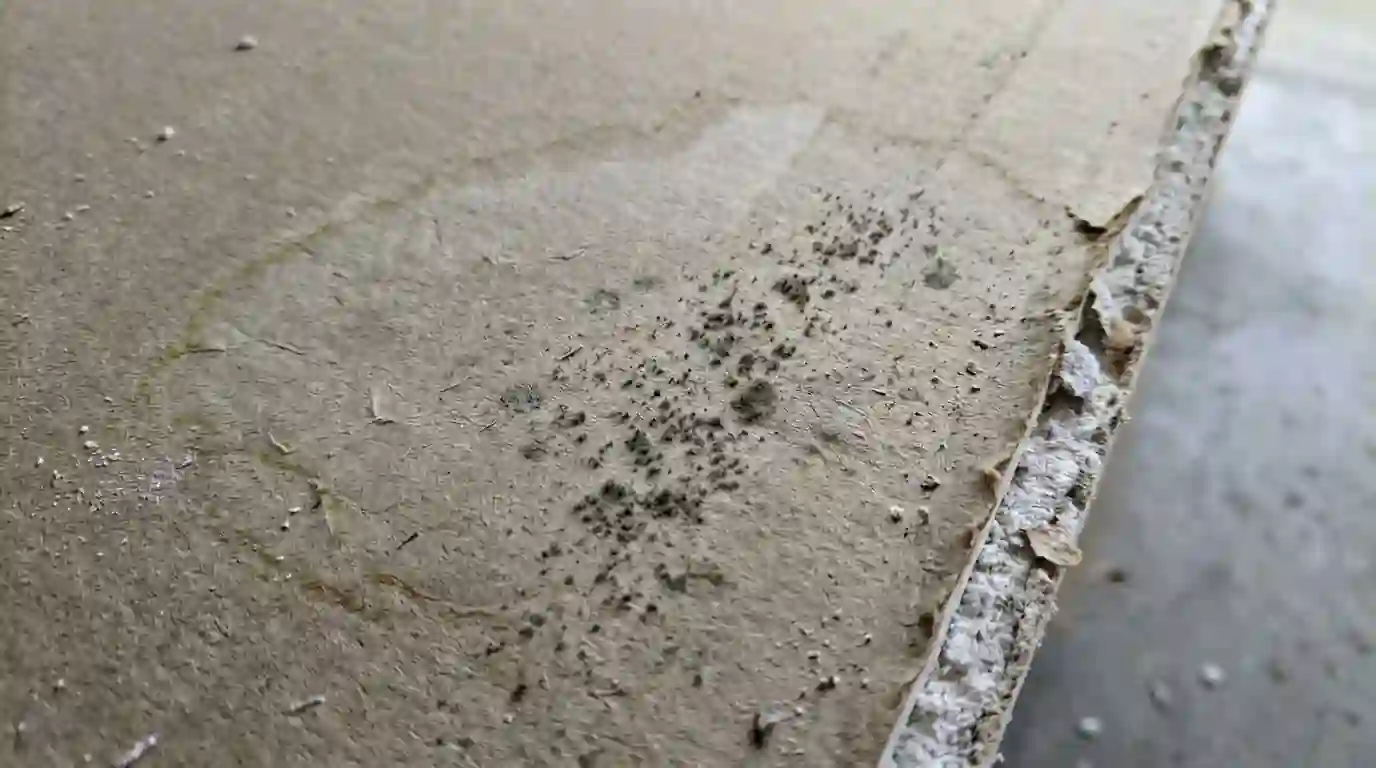
Where it grows first
On the back of drywall, where it stays dark and damp. Under carpet pad and laminate, where water can't evaporate. In wet insulation inside walls and ceilings. In the joint where a wall meets a slab. On the underside of a subfloor above a wet basement.
Those are the places we read with meters and thermal imaging after a leak, because they're the places a surface-dry room still hides water.
What speeds it up
Warm, humid air and no air movement. A wet closet in August grows faster than a wet hallway in January. Contaminated water, from a toilet or a sewer, adds nutrients. Materials that wick water, like drywall and particleboard, carry moisture higher and farther than you'd expect.
Closed-up spaces make it worse: a wet wall that gets painted, a wet floor that gets new flooring laid over it.
How drying stops it
Drying removes the water before growth can take hold. That means extraction first, then structural drying with dehumidifiers and air movers directed at the wet materials, including inside cavities where needed, and daily readings until each point matches a dry reference.
Materials that can't be dried in time, or that were soaked by contaminated water, are removed instead.
Signs mold has already started
A musty smell that comes back after cleaning, paint that bubbles or discolors, spotting on grout, caulk or the bottom of a wall, and allergy-like symptoms that ease when you leave the room can all point to growth.
If you see or smell it, don't scrub or dry-brush it, which spreads spores. Our mold remediation page explains containment and removal.
Bathrooms and basements: the usual suspects
Bathrooms without a working exhaust fan keep grout, caulk and the ceiling damp after every shower, and a slow leak behind the tile does the rest. Basements take moisture through walls and slabs, and anything stored against a cold wall, like cardboard boxes, is an easy target.
Closets on exterior walls are a third: cold surfaces, little airflow and fabric pressed against the wall. After any leak, those are the first places worth checking.
What happens on a mold call
We start with the moisture, not the mold: where the water came from, whether it's stopped and how far it spread. Then the affected area is contained, the growth and the material it's rooted in are removed, and the space is dried and checked before it's rebuilt. Our attic mold page covers a common variation.
Keeping humidity down indoors
Moisture in the air feeds growth on cool surfaces. Run bathroom and kitchen fans while you shower and cook and for a while after, keep basements dehumidified in summer and don't dry laundry indoors in closed rooms. Condensation on windows every morning is a sign the air is wetter than it should be.
Keeping it from coming back
Fix the source, whether it's a pan, a pipe, a roof or a bath fan venting into the attic. Keep indoor humidity reasonable with ventilation and a dehumidifier in basements. And after any leak, get readings before anything is closed up.
Mold timing questions
What people ask after a leak.
Not if the water is removed and materials are dried quickly. It's the water left behind that allows it.
Usually not. Early growth is often hidden behind walls or under floors.
It can whiten surface growth on tile, but it doesn't fix mold rooted in drywall or wood, or the moisture feeding it.
Rarely. Dehumidification and air directed at the wet material work; a fan alone moves damp air around.
Moisture readings compared with a dry part of the same material.
Mold from a covered sudden leak may be. Mold from long-term moisture often isn't.
If you see or smell it, the first step is finding the moisture. Testing is useful for larger jobs and clearance.
Had a leak and worried about mold?
Call and we'll read the area. We answer 24/7.